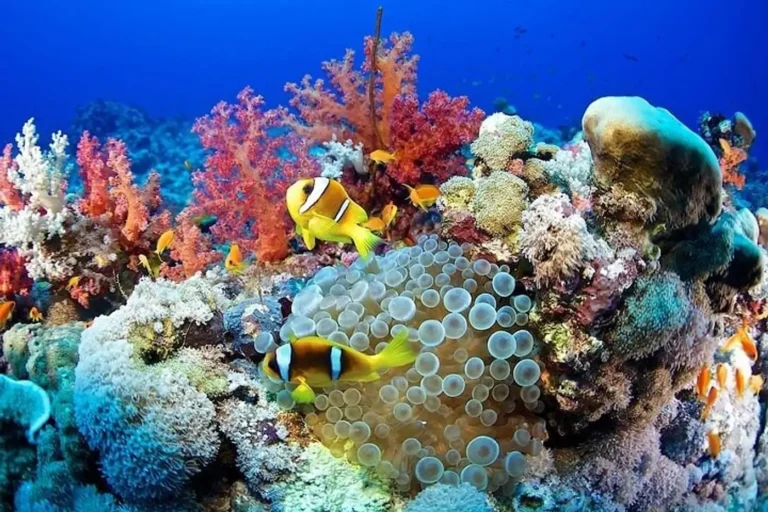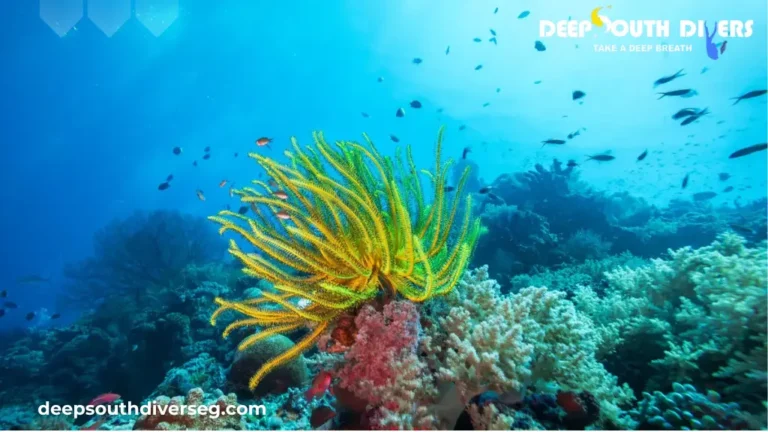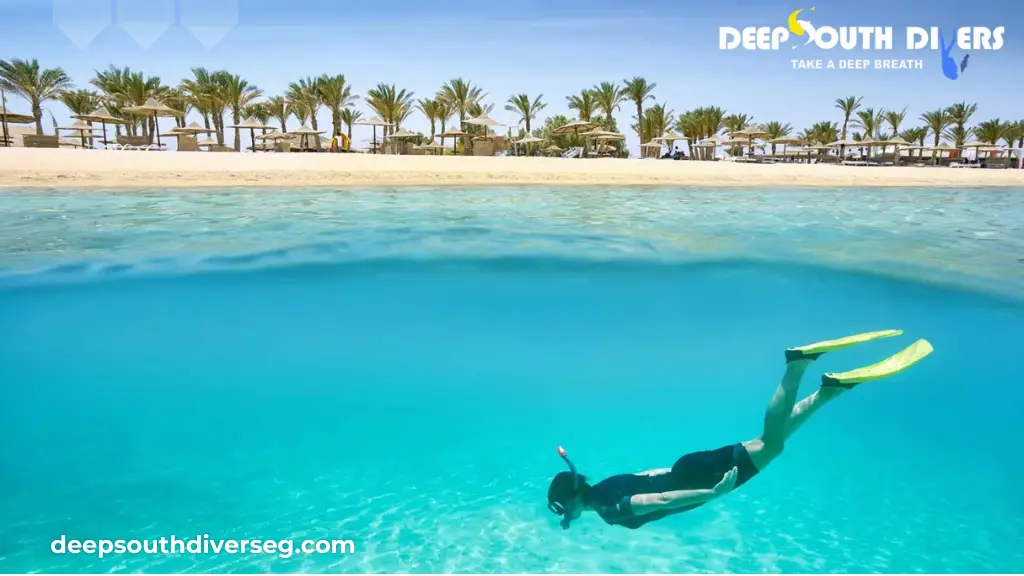
If you are searching for the best beaches in Marsa Alam, the short answer is this: you have found one of the few places left on Egypt’s Red Sea where the coral starts a few fin-kicks from the shoreline, the sand still feels wild rather than landscaped, and you can swim above a green turtle before breakfast without booking a single excursion. Marsa Alam sits roughly 274 km south of Hurghada on the southern Red Sea coast, and that extra distance is exactly why its bays feel calmer, emptier and more alive than the busier resort towns to the north.
This is not a destination built around promenades and nightclubs. It is built around water. Some of its beaches are powder-white lagoons inside protected national parkland; others are resort coves with house reefs you can snorkel straight off the jetty; a few are remote, almost facility-free stretches where the desert spills directly into the sea. The challenge is not finding a good beach here — it is choosing between them.
In this guide I break down every beach worth your time, bay by bay, with honest notes on who each one suits, what you will actually see underwater, how to get there, and when to go. You will also find a quick-comparison table, a marine-life and diving section, a seasonal calendar, and a detailed FAQ answering the questions most travellers ask before they book. Let’s get your feet in the sand.
Why the Best Beaches in Marsa Alam Stand Apart
Travellers who have already done Hurghada or Sharm El Sheikh almost always describe Marsa Alam the same way: quieter, wilder, and more natural. The coastline is spread along a long corridor rather than packed into one town, so beaches stay uncrowded even in high season. Crucially, much of the reef here is fringing reef — coral that grows right off the beach — which means world-class snorkelling is available to anyone who can float, not just certified divers.
Three things make this stretch of coast genuinely special:
- Shore-accessible marine life. Sea turtles, dugongs (sea cows), spinner dolphins, rays and reef fish are all encountered from beaches or short boat hops, not deep technical dives.
- Protected landscapes. The Wadi El Gemal National Park guards a long southern section of coast, keeping its lagoons, seagrass meadows and mangroves close to pristine.
- Low-rise calm. Most resorts sit low against the desert backdrop, evenings are quiet, and the night sky over the eastern desert is genuinely dark and star-filled.
That combination is rare. It is the reason marine biologists, underwater photographers and repeat snorkellers keep choosing this coast over flashier alternatives.
The Best Beaches in Marsa Alam: A Bay-by-Bay Guide
Below are the standout bays, ordered roughly from the famous showpiece in the south to the practical resort beaches near the airport, then on to the remote far-south frontier. Each entry tells you what it looks like, what lives in the water, and who will love it most.
1. Sharm El Luli (Ras Hankorab) — The “Egyptian Maldives”
If one beach defines the romance of this coast, it is Sharm El Luli, also known as Ras Hankorab. Sitting around 60 km south of Marsa Alam town, inside Wadi El Gemal National Park, it is the beach travellers mean when they call this region the “Egyptian Maldives.” TripAdvisor once ranked it among the world’s top 25 beaches and the best in the Middle East, and arriving here it is easy to see why.
What makes it special
The sand is fine and pale, the lagoon is impossibly shallow and clear, and the gradient is so gentle you can wade in effortlessly. There are no resorts lining the shore — facilities are limited to shaded huts and simple seating run by local Bedouin, which is precisely the point. This is a beach for people who want nature, not a beach club.
Snorkelling and what you will see
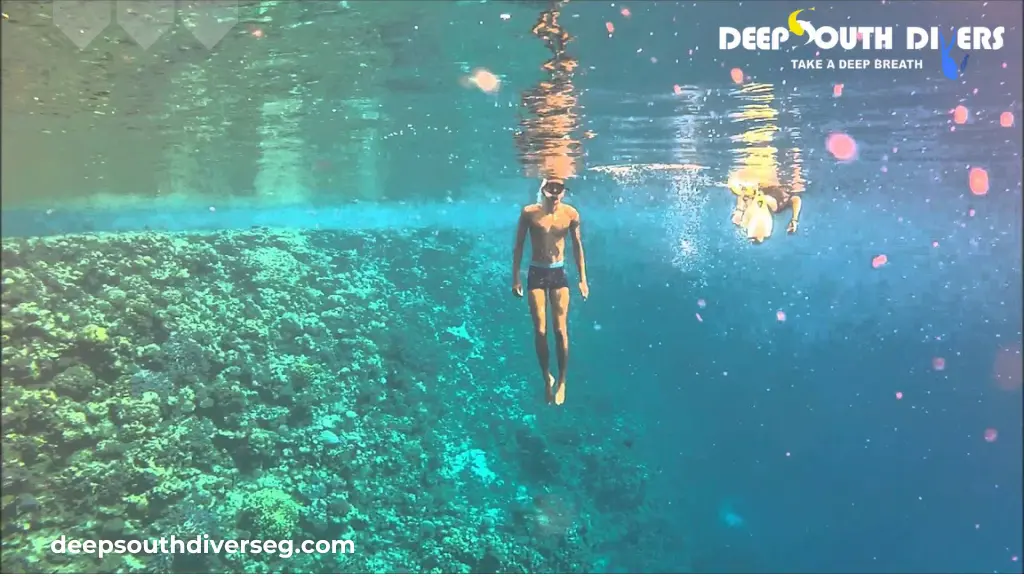
You can walk straight in from the stone-free beach, and within a couple of minutes’ swim the seabed transforms into what regulars describe as an underwater forest. Expect coral gardens just metres from shore, clouds of reef fish, the occasional grouper or pufferfish, bright clownfish in their anemones, and — with luck — green and hawksbill turtles. Bring your own mask and fins; rentals are unreliable this far out.
Important conservation note
Ras Hankorab is one of Egypt’s last near-pristine marine sanctuaries, supporting endangered turtles, dugongs and coral that may be thousands of years old. It has also been the subject of development and access disputes in recent years, so check the current status of the protected zone and any park-entry rules before you travel. Tread lightly, take nothing, and never stand on or touch the coral.
2. Abu Dabbab Bay — Turtles, Dugongs and Easy Snorkelling
Abu Dabbab is the beach that appears in almost every conversation about the best beaches in Marsa Alam, and for good reason. This wide, sandy, horseshoe bay roughly a 50-minute drive from the main resort cluster is famous for its calm, shallow water and its resident sea turtles. The seagrass meadows here are one of the most reliable places in all of Egypt to encounter a dugong grazing peacefully offshore.
It is also genuinely beginner- and family-friendly. The entry is soft and gradual, sunbeds and umbrellas are available, and you can comfortably split a whole day between swimming, lounging and repeated snorkelling sessions. A few practical pointers:
- Go early. Turtle and dugong sightings are best in the calm morning hours before day-trip boats arrive.
- Keep your distance from the dugong — admire, never chase or surround it.
- The reef sits at the bay’s edges; the centre is seagrass, so swim out toward the rocky shoulders for the coral.
3. Marsa Mubarak — The Quiet Wildlife Cove
For travellers who want Abu Dabbab’s wildlife without Abu Dabbab’s crowds, Marsa Mubarak is the insider’s pick. This sheltered cove is a haven for snorkellers and divers chasing reefs away from the day-trip throng. Schools of tropical fish drift over the coral, and lucky swimmers spot dolphins and turtles. Onshore amenities are minimal compared with Port Ghalib or Abu Dabbab, so most visitors arrive on a guided half-day trip that bundles transport and lunch. It rewards patience — this is a linger-and-soak-it-in kind of place.
4. Coraya Bay — Resort Comfort with a House Reef
Coraya Bay is the polished, convenient end of the spectrum: a sheltered, crescent-shaped bay close to the airport, ringed by all-inclusive resorts and dive centres. The headland reefs that frame the bay give it a proper house reef, so you can snorkel productively without leaving the property. It suits travellers who want structure, comfort and strong hotel facilities rather than a remote nature mission. Couples and first-time snorkellers tend to love it.
5. Port Ghalib Beach — Marina Living and Golden Sand
Port Ghalib is the social hub of the region — a marina town with restaurants, cafés, shops and ATMs — and its beach pairs soft golden sand with calm, clear water. The draw here is the blend of beach time and marina vibes: swim and sunbathe by day, then stroll the waterfront for fresh seafood or ice cream in the evening. It is the easiest base for anyone who wants a little life after dark without sacrificing beach access, and transfers from the airport are short.
6. Marsa Egla and Marsa Shagra — The Divers’ Beaches
North of town, Marsa Egla and Marsa Shagra are beloved by the diving community. Marsa Shagra in particular is famous for its eco-camp setup and one of the best shore-diving house reefs in Egypt — you can do unlimited reef entries straight off the beach, day or night. Marsa Egla offers a gentle sandy lagoon with a seagrass bed where turtles feed. These are beaches where the underwater experience, not the sunlounger, is the main event.
7. Marsa Nakari — Laid-back Eco Bay
Marsa Nakari, further south, is a small, relaxed bay with a low-key dive village and a fringing reef close to shore. It attracts travellers who want a simple, unfussy, nature-first stay — think modest huts, a quiet beach and excellent house-reef snorkelling without the resort polish. It also serves as a launch point for southern offshore reefs.
8. El Qulaan Mangroves — Where the Desert Meets the Sea
El Qulaan (Qulan) is unlike anywhere else on this list. Here, rare Red Sea mangroves grow at the water’s edge, creating a haunting landscape of green against turquoise and ochre. It is more about scenery, birdlife and Bedouin lunches than swimming, and it pairs beautifully with a Sharm El Luli day trip. For photographers and nature lovers, the mangrove bay is unforgettable.
9. Hamata and the Qulan Islands — The Far-South Frontier
If you truly want to escape, the Hamata area and the offshore Qulan (Hamata) Islands mark the wild far south. Expect untouched sandbanks, exceptional reefs, kitesurfing-friendly lagoons and a genuine end-of-the-road feeling. Access usually means a guided boat trip, but the payoff is some of the emptiest, most beautiful water on the entire coast.
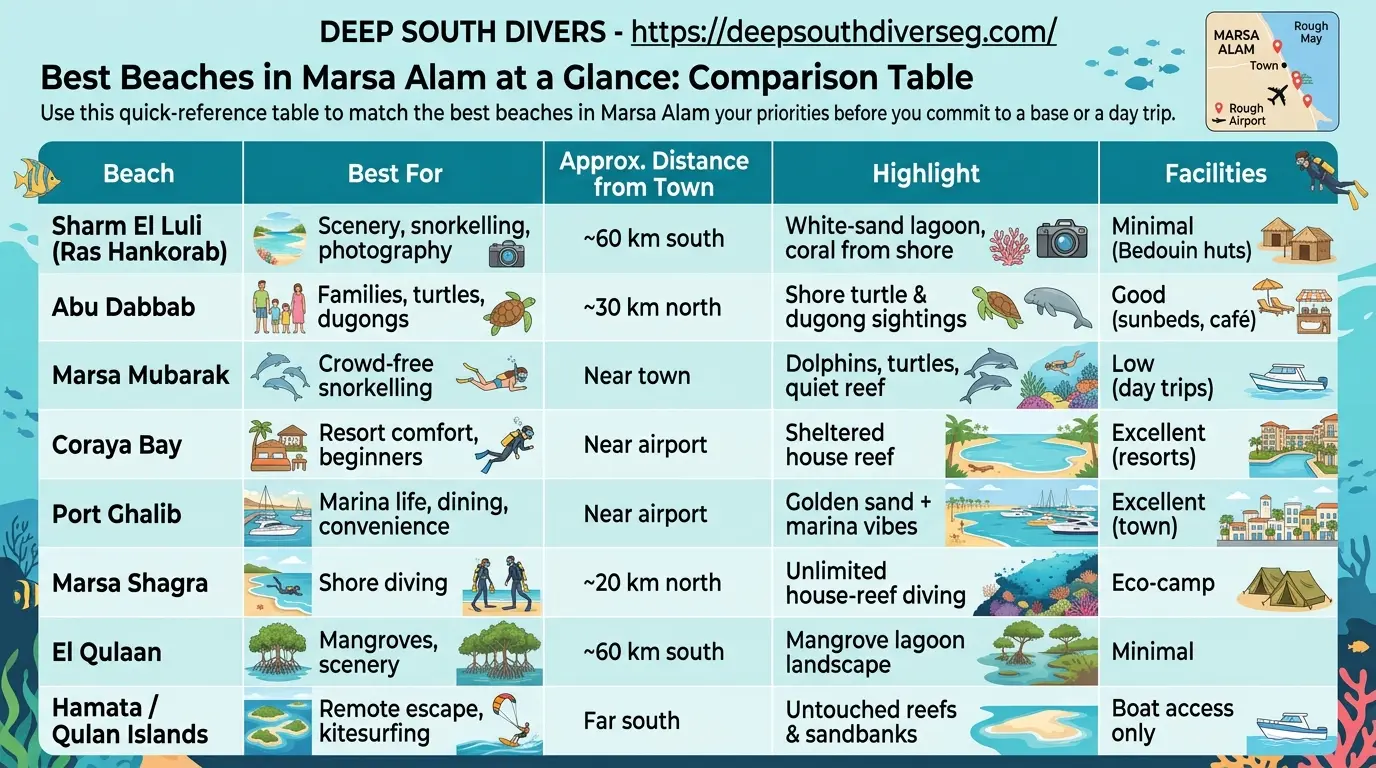
Best Beaches in Marsa Alam at a Glance: Comparison Table
Use this quick-reference table to match the best beaches in Marsa Alam to your priorities before you commit to a base or a day trip.
| Beach | Best For | Approx. Distance from Town | Highlight | Facilities |
|---|---|---|---|---|
| Sharm El Luli (Ras Hankorab) | Scenery, snorkelling, photography | ~60 km south | White-sand lagoon, coral from shore | Minimal (Bedouin huts) |
| Abu Dabbab | Families, turtles, dugongs | ~30 km north | Shore turtle & dugong sightings | Good (sunbeds, café) |
| Marsa Mubarak | Crowd-free snorkelling | Near town | Dolphins, turtles, quiet reef | Low (day trips) |
| Coraya Bay | Resort comfort, beginners | Near airport | Sheltered house reef | Excellent (resorts) |
| Port Ghalib | Marina life, dining, convenience | Near airport | Golden sand + marina vibes | Excellent (town) |
| Marsa Shagra | Shore diving | ~20 km north | Unlimited house-reef diving | Eco-camp |
| El Qulaan | Mangroves, scenery | ~60 km south | Mangrove lagoon landscape | Minimal |
| Hamata / Qulan Islands | Remote escape, kitesurfing | Far south | Untouched reefs & sandbanks | Boat access only |
Choosing the Best Beaches in Marsa Alam for Your Travel Style
Not every beautiful beach is the right beach for you. Here is how the coast sorts by traveller type.
For families with children
Prioritise calm, shallow, gently shelving water. Abu Dabbab is the classic family choice thanks to its safe entry and turtles, while Coraya Bay offers resort facilities, kids’ clubs and a sheltered swim area. Sharm El Luli’s shallow lagoon is also excellent for older children who can snorkel.
For couples and honeymooners
You want scenery and quiet. Sharm El Luli at sunrise, the mangrove light at El Qulaan, and a private-beach resort stay deliver romance without crowds. Sunset strolls at Port Ghalib add a touch of evening life.
For snorkellers
The best shore snorkelling is at Sharm El Luli, Marsa Mubarak, Marsa Egla and any good house reef. Look for fringing reef that starts close to the beach so you maximise water time.
For divers
Base near Marsa Shagra or Marsa Nakari for unlimited shore diving, and use the coast as a springboard to the legendary offshore sites covered below.
For solitude seekers
Head south. The further from the airport you go, the emptier the sand: Hamata, the Qulan Islands and the quieter corners of Wadi El Gemal reward the extra drive.
Snorkelling and Diving at the Best Beaches in Marsa Alam
The beaches are only half the story; what lies offshore elevates Marsa Alam into a world-class category. The region works for every level, from a first-time snorkeller drifting over a house reef to an experienced diver tackling currents at a famous wall.
House reefs and shore snorkelling
Many of the best beaches double as launch points. Off the right bays you will find coral gardens, soft corals, schooling fish, turtles and even small wrecks within snorkelling depth. A few golden rules:
- Enter and exit at sandy channels — never walk on coral.
- Wear a rash vest or reef-safe sunscreen to protect both your skin and the reef.
- Float horizontally and keep fins up; a single careless kick can break decades of coral growth.
- Go early for the calmest water and best visibility.
Elphinstone Reef
The region’s headline dive: a dramatic offshore reef with sheer walls, rich coral and the possibility of pelagic encounters in the right season. Strong currents make it an advanced site, but for experienced divers it is one of the most iconic dives in the entire Red Sea.
Sha’ab Samadai (Dolphin House)
A protected, horseshoe-shaped lagoon famous for its resident pod of wild spinner dolphins. Visitor numbers and zones are managed to protect the animals, and both snorkellers and divers can join the trip. Encountering dolphins in the wild here is, for many, the highlight of the whole holiday.
Other notable sites
- Abu Dabbab (offshore edges): gentle conditions, turtles and seagrass life — ideal for newer divers.
- Sha’ab Marsa Alam & southern reefs: healthy hard coral and abundant fish, often with far fewer boats than northern Egypt.
- The Deep South (liveaboard territory): St. John’s, Fury Shoals and Daedalus for serious reef and shark encounters.
When to Visit Marsa Alam’s Beaches
Marsa Alam enjoys a hot desert climate with sunshine almost year-round, which is one of its biggest advantages. The sea stays warm enough to swim in every season, but comfort levels shift across the calendar.
- October to May — the sweet spot. Warm but comfortable days, pleasant evenings and ideal conditions for combining beach time with desert excursions. Spring and autumn are particularly rewarding.
- September and late spring — warm-water snorkelling. Sea temperatures are at their most inviting while air temperatures are still manageable.
- Winter (Dec–Feb) — mild and quiet. Lovely for sightseeing and gentler beach days; bring a light layer for breezy evenings and consider a wetsuit for longer water sessions.
- Summer (Jun–Aug) — hot but swimmable. Dedicated sun-seekers and divers still enjoy it, but midday heat can be intense away from the water.
Water temperatures generally range from the low 20s°C in winter to high 20s°C in summer, so the sea remains comfortable for snorkelling almost all year.
How to Reach and Get Around the Beaches
The simplest arrival is via Marsa Alam International Airport, which handles direct international and domestic flights and sits conveniently close to Port Ghalib and Coraya Bay. The alternative — flying into Hurghada and driving south — works but adds a long transfer.
Getting around is based on arranged transport rather than public transit. Plan on:
- Hotel transfers for airport pickups — by far the easiest option given the distances.
- Private drivers and taxis for day trips to beaches like Sharm El Luli (agree the fare before setting off).
- Dive-centre and tour pickups for snorkelling and diving excursions, which usually include transport and lunch.
Because the coast is long and spread out, choosing a base near the experiences you care about most will save hours of driving. If turtles are the priority, stay near Abu Dabbab; if you want dining and nightlife, choose Port Ghalib.
Responsible Beach Travel: Protecting What Makes Marsa Alam Special
The very qualities that make these beaches extraordinary — living coral, grazing dugongs, nesting turtles — are also fragile, and parts of the coast face real development and pressure. Protecting them is part of the deal of visiting. A simple code of conduct:
- Never touch, stand on, feed or chase marine life, especially dugongs and turtles.
- Use reef-safe sunscreen and avoid stirring up the seabed.
- Carry out all litter; many southern beaches have no waste facilities.
- Respect national-park rules and zoning at Wadi El Gemal and Sha’ab Samadai.
- Choose operators who follow marine-protection guidelines.
Travel gently and these beaches will still be worth writing about decades from now.
Final Word: Finding Your Own Best Beach in Marsa Alam
The best beaches in Marsa Alam are not a single ranked list so much as a coastline that rewards matching the right bay to the right traveller. Want turtles and an easy family day? Abu Dabbab. Crave a Maldives-style lagoon and don’t mind a drive? Sharm El Luli. After marina life and dining? Port Ghalib. Chasing empty water and reefs at the edge of the map? Head south to Hamata. Wherever you land, you are choosing a stretch of the Red Sea that still feels alive — so go slow, snorkel often, tread lightly, and let the water be the centre of the trip.
This guide reflects first-hand experience of the Marsa Alam coast and current 2026 conditions. Protected-area access and development status can change; confirm park rules and beach access with local operators before you travel.