If you have ever scrolled past a photo of a blinding-white sandbar dissolving into fifty shades of turquoise and assumed it was the Maldives or the Caribbean, there is a strong chance you were actually looking at Sharm El Luli. Tucked roughly 60 kilometres south of Marsa Alam town on Egypt’s southern Red Sea coast, this remote lagoon has quietly built a reputation as one of the most beautiful beaches not just in Egypt, but on the planet — Britain’s Daily Mirror once ranked it 19th among the top 25 beaches worldwide, ahead of every single beach in the Maldives.
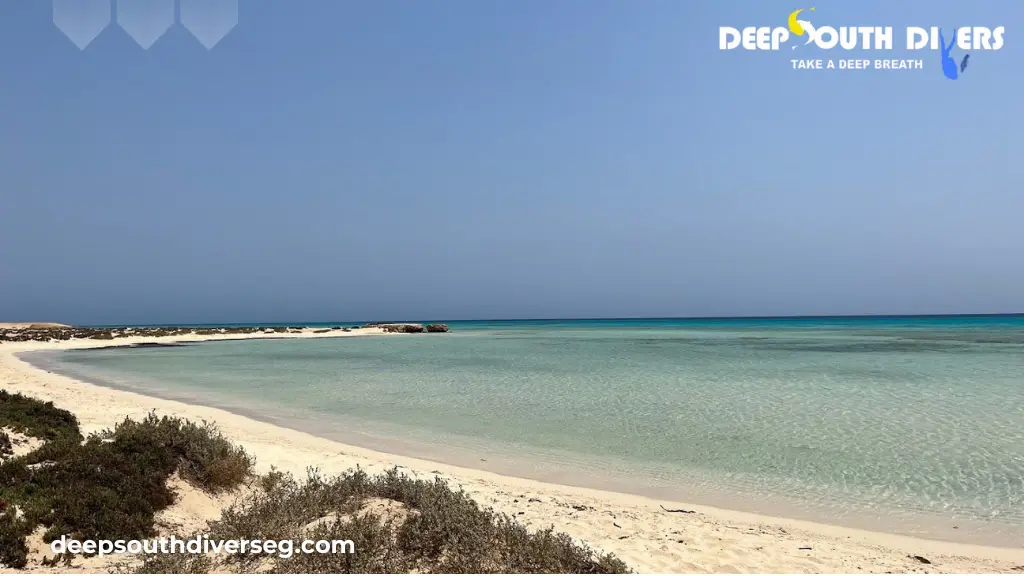
What makes Sharm El Luli extraordinary is precisely what it lacks. There are no resorts crowding the shoreline, no rows of beach bars, no jet-ski rental kiosks. Instead you get a long ribbon of fine pale sand, a shallow gin-clear lagoon that wades out gently before dropping to a living coral wall, and a silence broken only by wind and water. It sits inside the protected boundaries of Wadi El Gemal National Park, which is why it remains so gloriously undeveloped.
This guide pulls together everything you need to plan the perfect day trip — how to get there, what it costs, the best time to visit, what to pack, the snorkeling and marine life, the conservation rules that keep it pristine, and the honest pros and cons most tour brochures skip. Consider it your first-hand briefing before you set foot on the sand.
Where Is Sharm El Luli? Location and Setting
Sharm El Luli lies on the Red Sea coast of Egypt’s Eastern Desert, in the Marsa Alam region of the Red Sea Governorate. From the centre of Marsa Alam town it is about 60 kilometres south, roughly halfway toward the small port of Berenice, placing it firmly off the beaten track. The beach sits at approximately 24.56°N, 35.16°E — and from a satellite view, it really does look like the middle of nowhere, which is a large part of its charm.
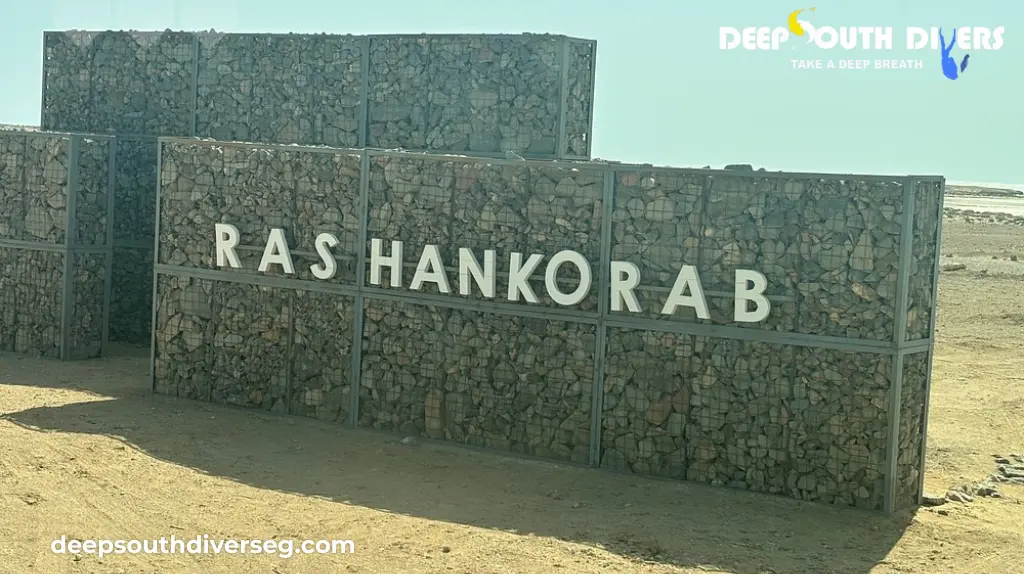
Sharm El Luli vs. Ras Hankorab: Are They the Same Place?
You will see the names Sharm El Luli and Ras Hankorab used interchangeably almost everywhere, and for practical purposes they describe the same stunning stretch of coast. Technically they are two very close but distinct points on the map — “Ras Hankorab” refers to the headland and the officially managed beach entrance within Wadi El Gemal National Park, while “Sharm El Luli” is the popular local name for the lagoon itself. When booking a tour, treat them as the same destination.
Inside Wadi El Gemal National Park
Sharm El Luli is part of Wadi El Gemal (“Valley of the Camels”) National Park, a vast protected area spanning desert wadis, mountains, mangroves, seagrass meadows and offshore reefs. This protected status is the single most important fact about the beach: it is the reason there are no hotels on the sand, why fishing is banned, and why the marine ecosystem remains so healthy. You are visiting a conservation zone, not a commercial resort strip.
Why Sharm El Luli Is Called the “Maldives of Egypt”
The nickname is earned, not marketing fluff. A handful of natural features combine here in a way that is genuinely rare along the Red Sea.
- The sand: Fine, pale, and soft underfoot — frequently described as “talcum powder” white, though in honesty it leans toward a pale cream-yellow rather than pure snow-white. Either way, it photographs like a tropical postcard.
- The water: A shallow, gently sloping lagoon produces an astonishing spectrum of blues and greens, clearly visible even from space in satellite imagery.
- The reef: The coral wall begins close to shore and teems with fish, so you can snorkel a vibrant reef without needing a boat.
- The emptiness: No buildings, no concrete, no noise — just a long virgin beach framed by distant desert mountains.
Top 10 Tips for First-Time Divers in Marsa Alam
The Meaning Behind the Name
The exact origin of “El Luli” is debated locally, but the beach’s reputation as a place of pearls and shimmering light suits it — under the midday sun the white sand reflects through the shallows until the whole lagoon seems to glow. It is the kind of scene that makes visitors keep their phones out for the entire visit.
How to Get to Sharm El Luli from Marsa Alam
Reaching Sharm El Luli is straightforward, but because it sits inside a national park with no public transport and no facilities, a little planning matters.
By Organized Tour (Recommended)
The easiest and most popular option is a guided day excursion. Most Marsa Alam and Port Ghalib hotels offer Sharm El Luli snorkeling trips that include air-conditioned hotel pickup and drop-off, the drive south, and often snorkeling gear and lunch. Driving time is roughly 45 minutes to just over an hour each way depending on where your hotel sits along the coast. A guided tour also handles the park entrance logistics for you.
By Private Car or Taxi
You can hire a private car or taxi for the day. This gives you flexibility on timing — invaluable if you want to arrive early before the tour buses. Confirm with your driver in advance that current access rules allow them to drop you at the park entrance, as regulations within Wadi El Gemal can change.
By Rental Car
Self-driving is possible along the well-maintained coastal road, but check local road conditions, carry water, and be aware that the final approach and beach area are managed park land. Ordinary vehicles cannot drive onto the beach itself.
Entrance Fees and Access
As a managed beach inside a national park, Ras Hankorab/Sharm El Luli typically charges a modest entrance fee — travellers commonly report around €5 per person plus a small additional charge per car. Fees are used toward conservation and basic upkeep. Because rules and prices are periodically updated, treat any figure as approximate and confirm on the day.

Snorkeling and Marine Life at Sharm El Luli
Snorkeling is the headline activity, and Sharm El Luli delivers a rare experience: a world-class reef you can reach on your own two feet. You walk in from a stone-free, gently shelving beach, float across the sandy lagoon, and within a couple of minutes find yourself above what regular visitors describe as a magical underwater forest.
The Reef Structure
The lagoon has a kind gradient, making the entry effortless even for nervous swimmers. The sandy bottom gradually deepens — by some accounts to around 20 metres before reaching the outer reef wall — so you can choose your comfort level. Excellent coral begins roughly 20 metres from shore and extends outward, with hard and soft corals in a riot of colours, shapes and sizes.
What You’ll See Underwater
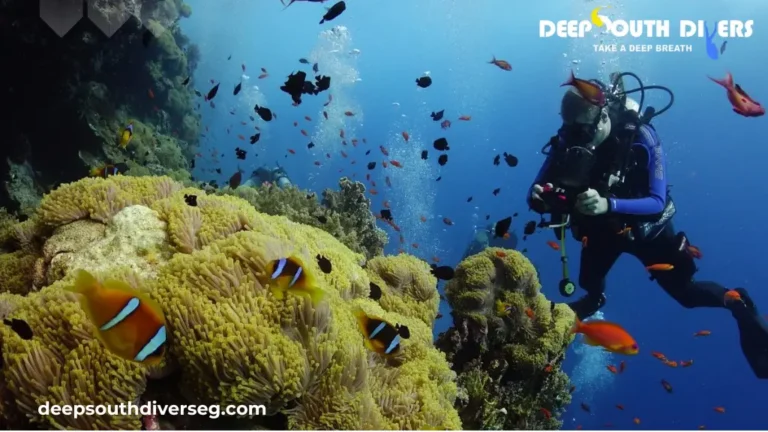
- Dense schools of reef fish in vivid colours
- Solitary groupers and pufferfish moving slowly along the reef
- Parrotfish, butterflyfish, and other classic Red Sea species
- Healthy hard and soft coral formations close to shore
- Seagrass meadows in the lagoon — a vital feeding ground
Turtles: The Star Attraction
Sharm El Luli is especially renowned as a haven for the endangered hawksbill turtle. Research by HEPCA (the Hurghada Environmental Protection and Conservation Association) found that nearly half of all hawksbill sightings in southern Egypt occurred in this area, underscoring its conservation importance. Green turtles are also common. Sightings are likely but never guaranteed — wildlife always depends on timing and luck — so treat any encounter as a privilege rather than a promise.
Telling the Two Turtles Apart
The hawksbill is recognised by its elongated head and hooked, beak-like mouth, while the green turtle has a broader head and clawless, flipper-like limbs. Both can live up to around 50 years and reach weights near 80 kg. If you are lucky enough to swim near one, keep your distance and never touch or chase it.
Diving Near Sharm El Luli
While the site shines for shore snorkeling, the wider Wadi El Gemal coastline and surrounding reefs offer diving opportunities through licensed operators. Because access here is conservation-controlled, diving is generally arranged via authorized boats and dive centres rather than independently from the beach.
Best Time to Visit Sharm El Luli
Sharm El Luli can be visited year-round thanks to the southern Red Sea’s warm climate, but timing affects both comfort and crowds.
Best Months: October to May
The most comfortable window runs from October through May, when temperatures generally sit between about 20°C and 30°C — warm enough for swimming, mild enough for lounging without the searing peak-summer heat. Water clarity and conditions tend to be excellent in this period.
Best Time of Day
Arrive early in the morning, before the organized excursions roll in, and you may have a vast stretch of beach almost entirely to yourself. Many visitors also report that staying after lunch, once the day-trip groups depart, returns the beach to its serene, photogenic best.
Days to Avoid
Skip windy days. Wind kicks up sand both on the beach and underwater, reducing visibility and making snorkeling far less enjoyable. A calm, clear day is what transforms Sharm El Luli from “nice” into “unforgettable.”
What to Pack and Know Before You Go
This is the most important practical section, because the thing that makes Sharm El Luli magical — its total lack of development — also means you are entirely self-sufficient once you arrive.
Amenities (and the Lack of Them)
There are no shops, no cafés, and no restaurants on-site. You will typically find basic toilets and sun loungers, and a Bedouin tent where local hosts brew and serve tea and coffee the traditional way and may offer patches of shade. Note that showers are generally not available. Beyond that, what you bring is what you have.
Essential Packing List
- Plenty of drinking water — there is nowhere to buy it
- Snacks or a packed lunch (unless your tour includes one)
- Reef-safe sunscreen, a hat, and sunglasses — shade is minimal
- Your own snorkel, mask and fins if you have them (rentals may be available on tours but quality varies)
- A life vest if you are not a confident swimmer
- Water shoes for comfort, though the lagoon entry is largely stone-free
- A dry bag for valuables, plus cash for the entrance fee and Bedouin tea
- A towel and a change of clothes
Safety in the Water
- Keep track of how far you have waded out — some reef areas sit a fair distance from shore.
- Use a life vest when snorkeling if you are not a strong swimmer.
- Be cautious of camouflaged hazards: stonefish and lionfish can be dangerous, so never put your hands or feet onto coral or rock.
- Watch for boat traffic in designated areas and stay within marked or guided zones.
Conservation and Responsible Tourism at Sharm El Luli
Because Sharm El Luli sits inside a national park and is a key turtle habitat, visiting responsibly is not optional — it is what keeps the beach worth visiting. A few simple rules protect the ecosystem for everyone.
- Never touch marine animals, especially turtles, which may be feeding or nesting.
- Don’t stand on or kick the coral; minimise flipper contact with the seabed to protect the seagrass meadows turtles rely on.
- Take nothing — no rocks, fossils, shells, or coral. Leave nature exactly as you found it.
- Carry out all rubbish, and pick up any stray plastic you spot.
- Fishing is illegal here, as the entire area is a protected national park.
- Use reef-safe sunscreen to avoid chemical damage to the corals.
Honest Pros and Cons: Is Sharm El Luli Worth It?
Sharm El Luli is consistently ranked the number-one thing to do in Marsa Alam by travellers, but managing expectations helps. Here is the balanced view.
| Pros | Cons |
|---|---|
| Stunning white sand and turquoise lagoon, genuinely world-class | No shops, cafés or restaurants — you must bring everything |
| Reef accessible directly from the beach, no boat needed | No showers; only basic toilets and limited shade |
| Gentle gradient ideal for beginner swimmers and families | Can get busy and crowded when multiple tour buses arrive midday |
| Excellent chance of seeing hawksbill and green turtles | Remote — a 45–60+ minute drive each way from Marsa Alam |
| Protected, unspoiled, peaceful natural setting | Windy days dramatically reduce water clarity |
The verdict: for travellers who value natural beauty, snorkeling, and tranquillity over beach-bar convenience, Sharm El Luli is an unmissable highlight of any Marsa Alam trip.
Combining Sharm El Luli with Nearby Attractions
Because the drive south is a commitment, many visitors pair Sharm El Luli with other gems along the same stretch of coast or use it as one day within a broader Marsa Alam itinerary.
El Qulaan Mangroves
A popular combined tour links Sharm El Luli with El Qulaan, where warm shallow lagoons and a striking mangrove forest create a completely different but equally serene landscape — ideal for a gentle swim and a scenic stroll through the shallows.
Wadi El Gemal Desert Safari
The same national park offers desert experiences with the local Bedouin community — camel rides, traditional hospitality, and dramatic wadi scenery — making for a contrasting land-and-sea day.
Other Marsa Alam Highlights
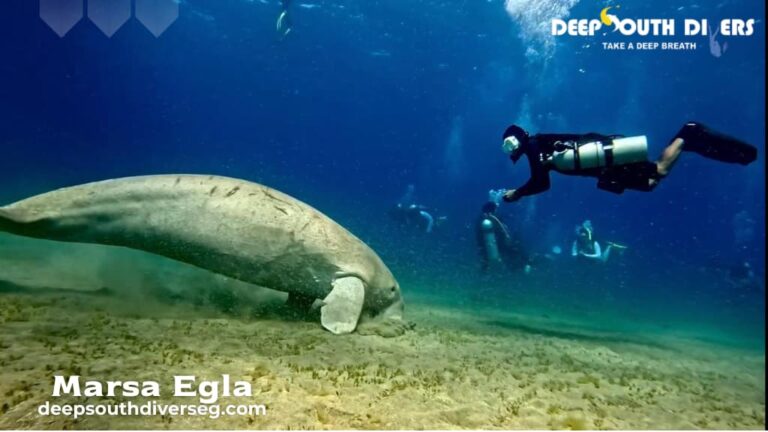
- Abu Dabbab Bay — famous for resident dugongs and turtles, busier than Sharm El Luli
- Sha’ab Samadai (Dolphin House) — a horseshoe reef known for spinner dolphins
- Satayeh (Dolphin Reef) — boat snorkeling with large dolphin pods
- Hamata Islands — virgin islands and untouched reefs further south