If your dream is to slip into warm, waist-deep water and find yourself face to face with a giant green sea turtle calmly grazing on a seagrass meadow, Abu Dabab is the place that makes it happen. This horseshoe-shaped bay on Egypt’s southern Red Sea coast — often spelled Abu Dabbab and affectionately nicknamed “Turtle Bay” — is one of the very few spots on Earth where snorkelers and divers regularly share the shallows with resident turtles and, with luck, the elusive dugong, the gentle “sea cow” of the Red Sea.
What sets Abu Dabab apart from the dozens of other beautiful beaches around Marsa Alam is its rare combination of accessibility and wild marine life. You don’t need a boat, deep diving certification, or hours of sailing. You walk in from a soft sandy beach, the bay is shallow and wind-protected, and within minutes you’re floating above one of the most important seagrass and coral ecosystems on the Egyptian coast. It’s family-friendly, beginner-friendly, and genuinely unforgettable.
This guide covers everything you need to plan the perfect visit: where Abu Dabab is and how to get there, the famous turtles and dugongs, the coral reefs and world-class dive sites, the best time to go, what to pack, the conservation rules that protect this fragile bay, and honest tips most tour brochures leave out. Consider it your complete first-hand briefing before you arrive.
Where Is Abu Dabab? Location & Geography
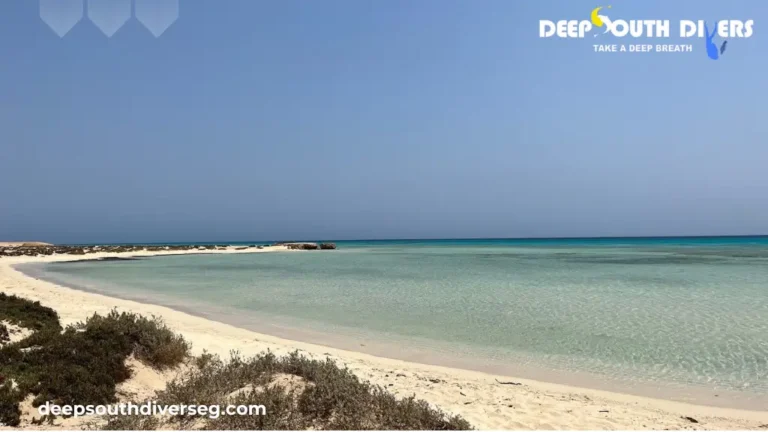
Abu Dabab is a natural U-shaped bay located at the mouth of the Abu Dabab valley (wadi), on the western shore of the Red Sea in Egypt’s Red Sea Governorate. It sits along the coastal road north of Marsa Alam town, tucked between major resorts and easily reached from most of the area’s hotels.
Distance from Marsa Alam and the Airport
The bay lies roughly 35 km north of the town of Marsa Alam and about 25–35 minutes’ drive from Marsa Alam International Airport and Port Ghalib. This central position — halfway between the northern and southern Red Sea attractions — makes Abu Dabab Marsa Alam one of the most convenient marine reserves to visit, with easy onward access to El Quseir and the Wadi El Gemal National Park further south.
You’ll usually find the beach entrance set on a branch road off the main coastal highway, between resort properties, often marked by a line of parked coaches and minibuses. For GPS users, the bay sits at approximately 25°20′N, 34°45′E.
The Shape and Structure of the Bay
Abu Dabab’s geography is the secret to its calm, swimmable conditions. The bay is relatively shallow — generally between 3 and 18 metres inside — with a seabed of sand and extensive seagrass meadows in the centre. Fringing coral reefs guard both the northern and southern flanks, sheltering the lagoon from strong currents and waves. Move further offshore and the seabed slopes into a steeper drop-off, descending to around 30–40 metres at the outer reef.
What Does “Abu Dabab” Mean?
“Marsa” in Arabic signifies a natural bay or harbour, so “Marsa Abu Dabab” simply describes the bay named after the Abu Dabab valley behind it. The name “Abu Dabab” itself is sometimes loosely translated as “father of stepping stones,” tied to local lore about the rocky, stone-strewn landscape of the surrounding desert. Whatever the etymology, the name has become synonymous with one thing above all: turtles.
The Famous Marine Life of Abu Dabab
Abu Dabab is, first and foremost, a wildlife destination. The mix of seagrass meadows and coral reefs supports a density and variety of charismatic marine animals that few shore-accessible sites anywhere can match.
Green Sea Turtles: The Resident Stars
The bay is home to a remarkable population of green sea turtles — by some surveys more than 120 individuals, most of them resident and sighted regularly. These ancient navigators graze peacefully on the seagrass beds, often so absorbed in feeding that they appear almost indifferent to swimmers. Many are genuinely large and majestic. You’ll frequently notice a remora fish hitching a ride on a turtle’s shell, feeding on parasites — a small detail that delights snorkelers.
Hawksbill Turtles
Alongside the greens, the critically endangered hawksbill turtle is also seen at Abu Dabab. Recognisable by its narrower, beak-like mouth and more pointed head, the hawksbill is rarer but still a realistic sighting on a good day. Both species are protected, and observing them respectfully is essential.
The Dugong: The “Sea Cow” of the Red Sea
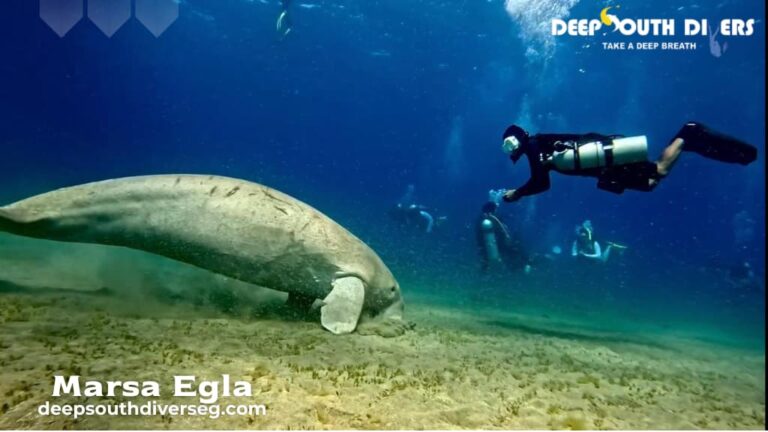
Abu Dabab built its international fame on the dugong, the shy, slow-moving marine mammal sometimes called the inspiration for ancient mermaid myths. Dugongs graze the same seagrass meadows the turtles love, and the bay is one of the few places on the planet where swimming alongside one is even possible.
An Honest Note on Dugong Sightings
It’s important to set expectations. Dugongs are vulnerable to extinction, listed on CITES Appendix I, and extremely sensitive to disturbance. With increased tourism, sightings at Abu Dabab have become far less reliable than they once were, and some experienced divers report the resident dugong is rarely seen today. Treat a dugong encounter as a once-in-a-lifetime stroke of luck rather than a guarantee — and never crowd or chase one.
Reef Fish and Coral Dwellers
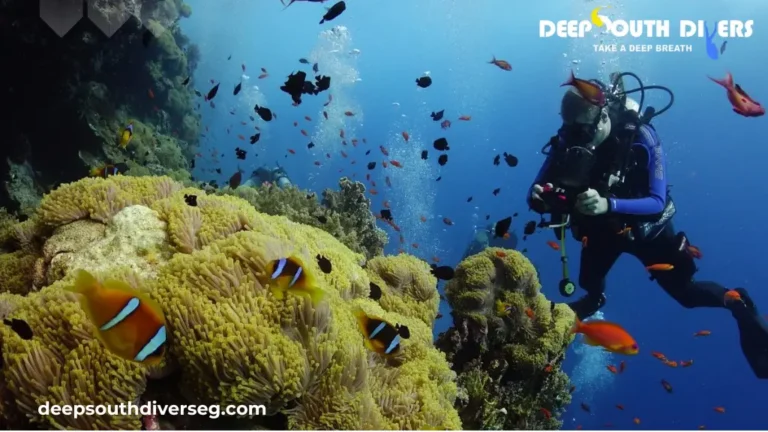
The fringing reefs teem with classic Red Sea species. Expect to see:
- Butterflyfish, angelfish, and bannerfish drifting over the coral
- Parrotfish and broom-tail wrasse grazing the reef
- Large groupers and the occasional Napoleon (humphead) wrasse
- Lionfish, scorpionfish, and well-camouflaged crocodile fish
- Moray eels peering from crevices
- Anthias hovering in clouds above the coral heads
Rays, Guitarfish, and Macro Treasures
Over the sandy seagrass flats it’s not unusual to spot big eagle rays gliding past, or the harmless, shark-like guitarfish resting on the bottom. For underwater photographers, Abu Dabab is also a macro paradise — patient observers may find ghost pipefish, the rare thorny seahorse, and the delicate hairy pygmy pipehorse hiding among the reef and seagrass.
Snorkeling at Abu Dabab
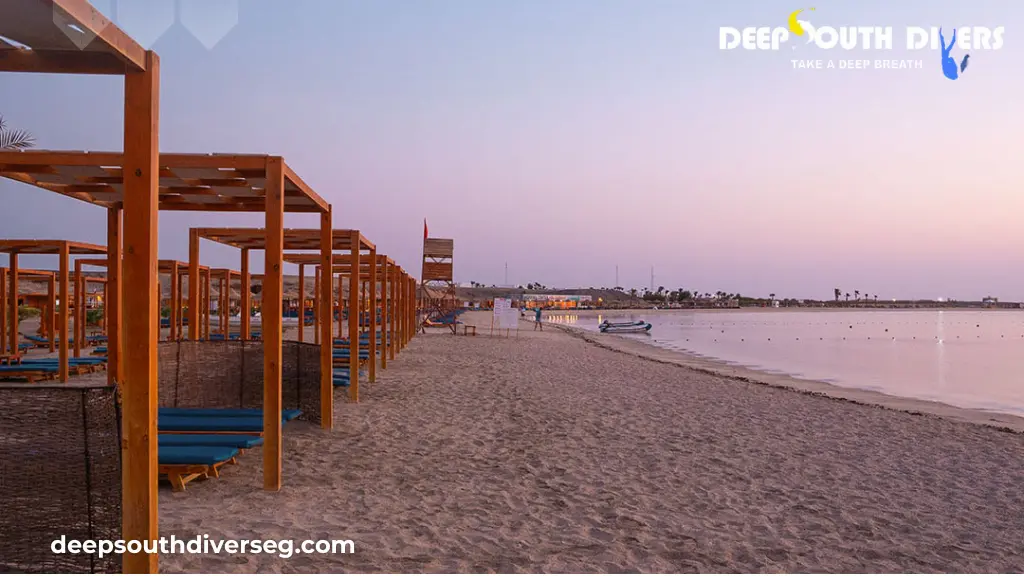
Snorkeling is the headline activity, and it’s what makes Abu Dabab so beloved by families and first-timers. The shallow, gently sloping, sandy entry means you can wade in straight from the beach without struggling over rocks, and the wind-protected bay stays calm on most days.
Where to Snorkel in the Bay
The two reef systems sit to the north and south of the bay, separated by the wide central seagrass meadow. The strategy is simple:
- The seagrass centre — head here to look for grazing turtles and (rarely) dugongs.
- The northern and southern reefs — follow the reef edges for colourful coral and fish life.
Most organized snorkeling trips include two guided sessions from the beach so you can explore both habitats.
Is Abu Dabab Good for Beginners and Children?
Yes — it’s one of the best beginner and family snorkeling spots in the whole Marsa Alam region. The water is shallow and calm, the entry is sandy and soft, and guides are on hand. That said, some reef areas lie a fair distance from shore, so weaker swimmers should wear a buoyancy vest and stay within their comfort zone.
Scuba Diving at Abu Dabab: Dive Sites Explained
Beyond the family beach, Abu Dabab is a serious diving destination. The wider area is dotted with a numbered string of reefs and pinnacles — commonly labelled Abu Dabab I through VIII (and the larger Shaab Abu Dabab reefs) — offering caves, canyons, coral gardens, pinnacles, and even a wreck. Most are easy, shallow dives suitable for all levels, with a few sites reserved for more experienced divers.
Marsa Abu Dabab (The Bay / House Reef)
The bay itself is the classic shore dive: a gently sloping sandy bottom with low current and shallow depth, ideal for beginner divers and for the turtle and seagrass encounters that made the site famous. Easy entry from the beach makes it perfect for check-out dives and relaxed exploration.
Shaab Abu Dabab 2 & 3 and the Heaven One Wreck
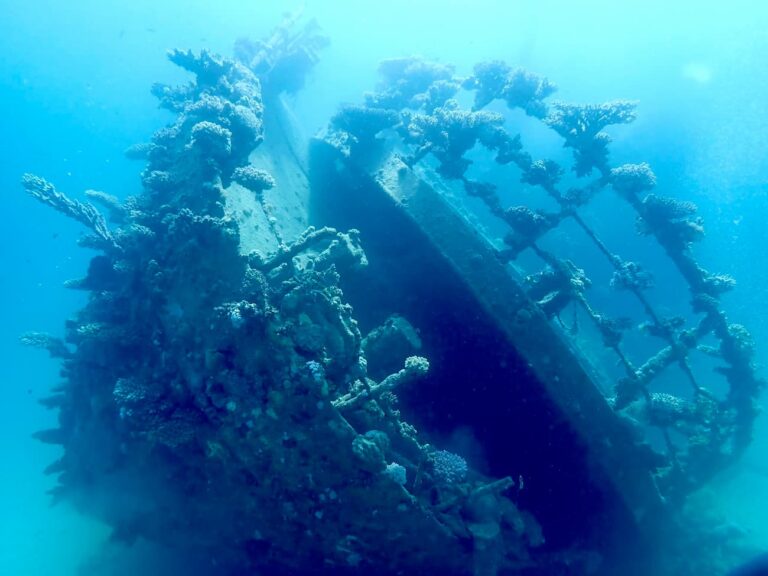
These offshore reefs feature dramatic hard-coral formations, scattered pinnacles, and lush coral gardens. A highlight is the wreck of the Heaven One, a cruise ship that caught fire and sank in 2005, now resting at around 14 metres. The superstructure is largely broken down, but it adds a fun exploratory element to the dive. Abu Dabab 3 is also known for a stunning swim-through cave with crystal-clear visibility.
Abu Dabab 1, 4 and the Quieter Reefs
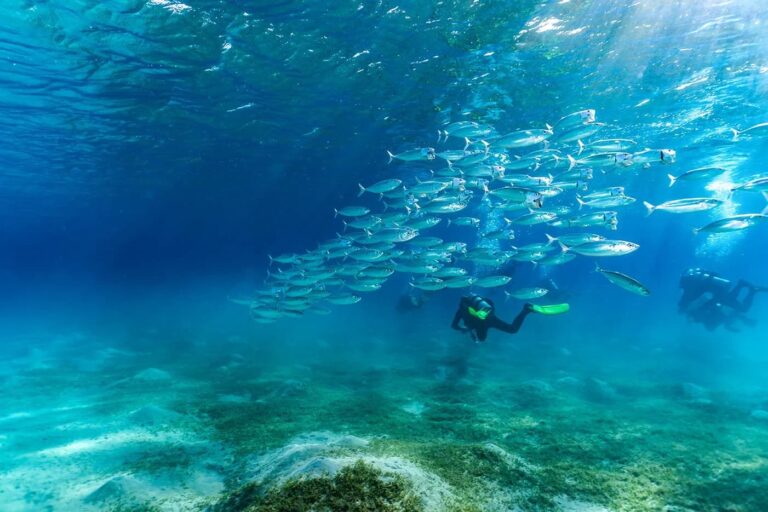
Sites like Abu Dabab 1 and the less-crowded Abu Dabab 4 reward divers with sprawling coral gardens between roughly 9 and 22 metres, dotted with pinnacles and coral tables. Because some of these reefs see fewer visitors, they often boast richer marine life and better visibility — expect angelfish, surgeonfish, moray eels, stingrays, triggerfish, tuna, barracuda, and resident turtles.
Quick Dive-Site Reference
| Site | Typical Depth | Best For | Highlights |
|---|---|---|---|
| Marsa Abu Dabab (bay) | 3–18 m | Beginners, snorkelers | Turtles, seagrass, dugong chance |
| Shaab Abu Dabab 2 | 6–18 m | All levels | Pinnacles, Heaven One wreck |
| Shaab Abu Dabab 3 | 9–19 m | All levels | Cave swim-through, coral garden |
| Abu Dabab 4 | 12–22 m | All levels | Quiet reef, great visibility |
| Abu Dabab 6 | Sloping reef + plateau | Photographers | Offshore pinnacle, low crowds |
The Seagrass Meadows: Why Abu Dabab Matters Ecologically
Beneath the postcard surface, Abu Dabab is a focal point of Red Sea marine conservation, and the unsung hero is the seagrass. These underwater meadows are the feeding grounds that keep turtles and dugongs resident in the bay.
What Grows Beneath the Surface
Surveys in the Marsa Alam region have recorded several seagrass species, the most widespread being Halophila stipulacea, which forms extensive meadows across a wide depth range. Other species important to grazing dugongs in the Red Sea include Halodule uninervis, Thalassodendron ciliatum, Cymodocea rotundata, and Syringodium isoetifolium.
Why Seagrass Protection Is Critical
Seagrass meadows are slow-growing and easily damaged. When snorkelers stand on them or divers drag fins across the bottom, they harm the very habitat that draws the wildlife everyone comes to see. Protecting the meadows isn’t an abstract environmental nicety — it’s directly tied to whether turtles and dugongs continue to call Abu Dabab home.
Responsible Tourism & Conservation at Abu Dabab
Abu Dabab’s popularity is both its blessing and its biggest threat. Heavy visitor numbers have, at times, led to turtles and dugongs being injured by boat propeller strikes, wildlife being scared away from feeding grounds, and plastic pollution accumulating on the shore. Local groups have run beach clean-ups and installed recycling bins, and a marine code of conduct is in place. Every visitor has a role to play.
The Abu Dabab Code of Conduct
- Never touch, chase, or block turtles or dugongs — keep a respectful distance and let them move freely.
- Don’t stand on coral or seagrass, and keep your fins clear of the seabed.
- Use reef-safe sunscreen to avoid chemical damage to the ecosystem.
- Take all litter with you and pick up any plastic you spot.
- Stay calm and quiet in the water — sudden movements stress the animals.
- Choose responsible operators who brief guests properly and limit group sizes.
Why This Matters for the Dugong’s Future
The decline in dugong sightings is a direct warning sign. These animals reproduce slowly and abandon habitats where they feel threatened. Following the code of conduct isn’t just etiquette — it’s the difference between Abu Dabab remaining a living wildlife sanctuary and becoming just another crowded beach.
Planning Your Visit to Abu Dabab Marsa Alam
How to Get There
- Organized tour: The most popular option. Hotels and agencies across Marsa Alam and Port Ghalib offer half-day or full-day Abu Dabab snorkeling trips with air-conditioned hotel pickup, gear, guiding, and often lunch.
- Private taxi or transfer: Flexible and ideal for arriving early, with all-inclusive packages commonly available at budget-friendly per-person rates.
- Independent visit: The bay has a managed beach entrance with a small fee; you can pay for entry, sunbeds, and shade on arrival.
Entrance, Facilities & Amenities
Unlike the truly wild beaches further south, Abu Dabab is a developed and serviced bay. Expect a beach entrance fee, sunbeds and umbrellas, lifeguarded swimming, on-site dining, and a dive centre with equipment rental, lockers, and a compressor for tanks. There’s even on-site lodging at the adjacent Abu Dabab Lodge for those who want to stay close to the house reef.
Best Time to Visit
Abu Dabab can be enjoyed year-round thanks to the warm southern Red Sea climate, but the winter months from roughly November to April typically deliver the clearest water and the most comfortable air temperatures. Whatever the season, the single best timing rule is to arrive early in the day, before the crowds and before fins cloud the lagoon.
What to Pack
- Reef-safe sunscreen, a hat, and sunglasses
- Your own mask, snorkel, and fins if you have them (rentals are available)
- A buoyancy/life vest for weaker swimmers
- Water and snacks (though dining is available on-site)
- An underwater camera — but never at the expense of crowding wildlife
- Cash for the entrance fee, sunbeds, and extras
Abu Dabab vs. Other Marsa Alam Snorkeling Spots
Abu Dabab is the go-to for turtle and dugong encounters, but it’s worth knowing how it compares to nearby alternatives so you can build the ideal itinerary.
- Sharm El Luli (Ras Hankorab): Wilder and more pristine, with stunning white sand but no facilities — better for scenery and solitude than guaranteed turtles.
- Sha’ab Samadai (Dolphin House): A horseshoe reef famous for spinner dolphins, reached by boat.
- El Qulaan / Qulaan mangroves: Shallow lagoons and mangrove forest, very different scenery.
- Hamata Islands: Remote virgin islands with untouched reefs, further south.
The verdict: if your priority is a high chance of swimming with sea turtles in calm, beginner-friendly water with full facilities, Abu Dabab is unmatched.
Final Thoughts: Why Abu Dabab Belongs on Your Marsa Alam Itinerary
Few places let you walk off a sandy beach and, minutes later, share the water with a grazing sea turtle the size of a coffee table. That accessibility — paired with vibrant reefs, world-class dive sites, and the tantalising chance of a dugong sighting — is exactly why Abu Dabab has earned its reputation as Turtle Bay and remains one of the must-visit highlights of the entire Marsa Alam coast.
Visit early, choose a responsible operator, keep your distance from the wildlife, and tread lightly over the seagrass, and your day at Abu Dabab will reward you with the kind of close-up natural encounter that stays with you for life — while helping ensure this fragile bay stays magical for the travellers who come after you.