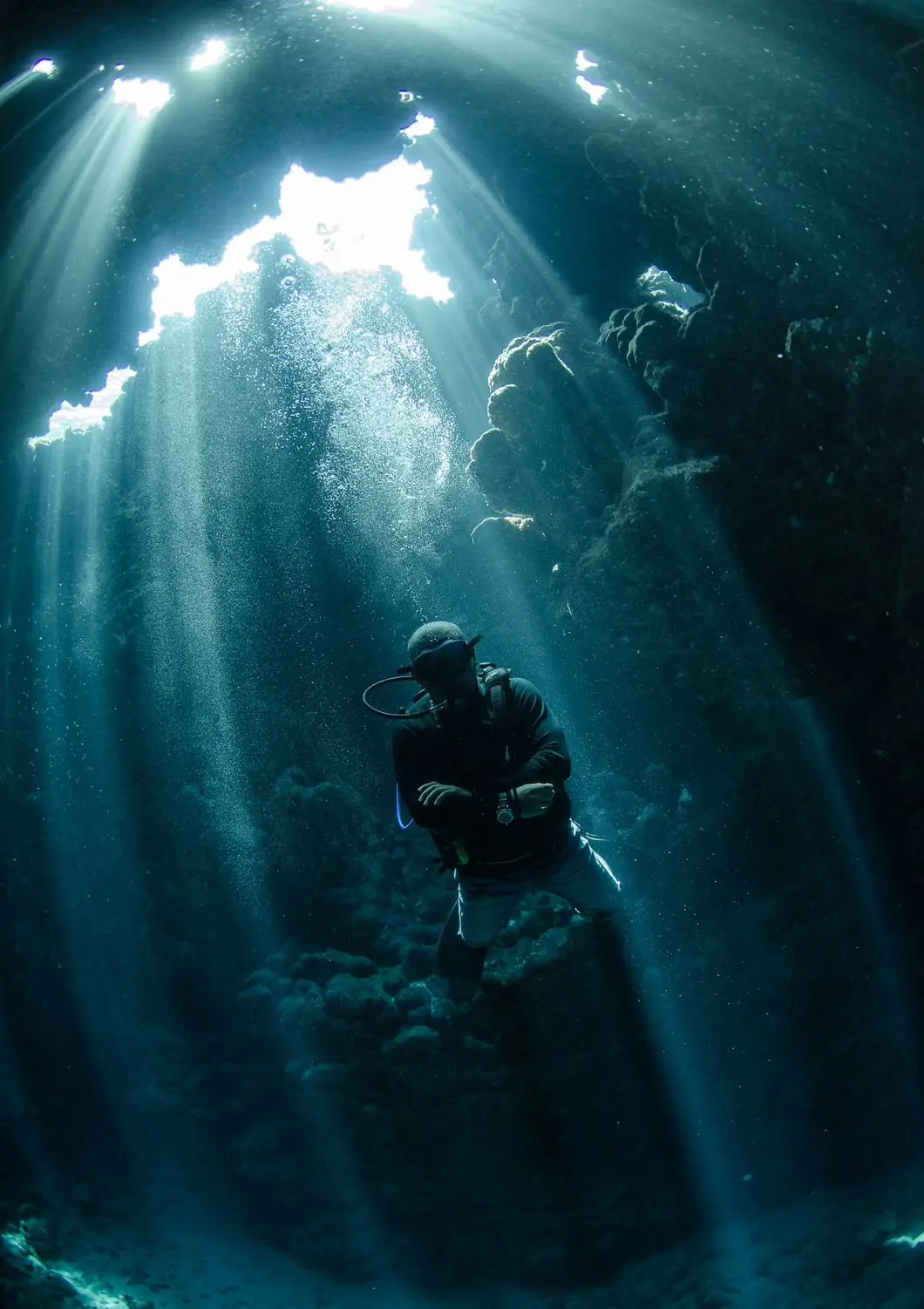
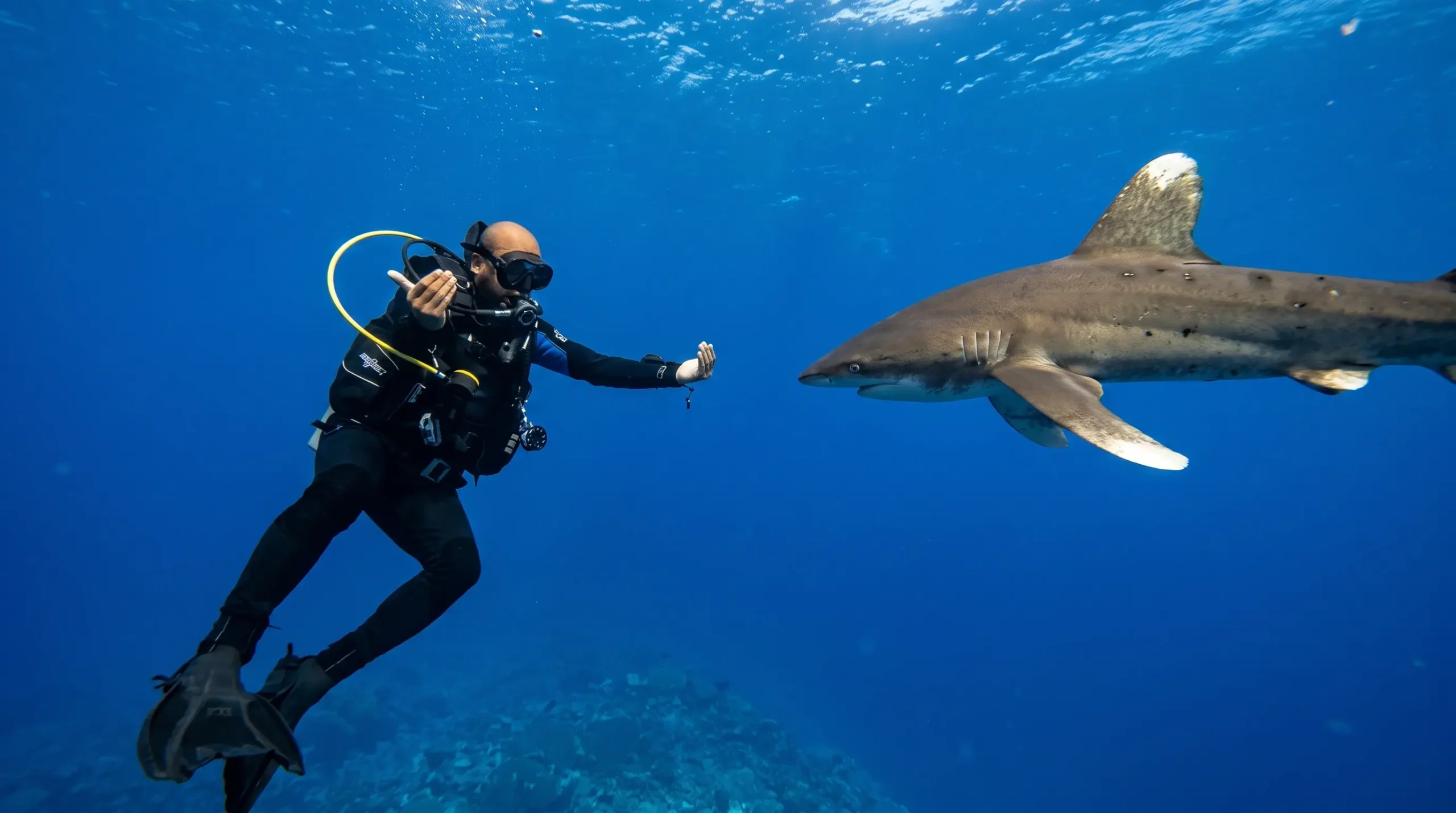
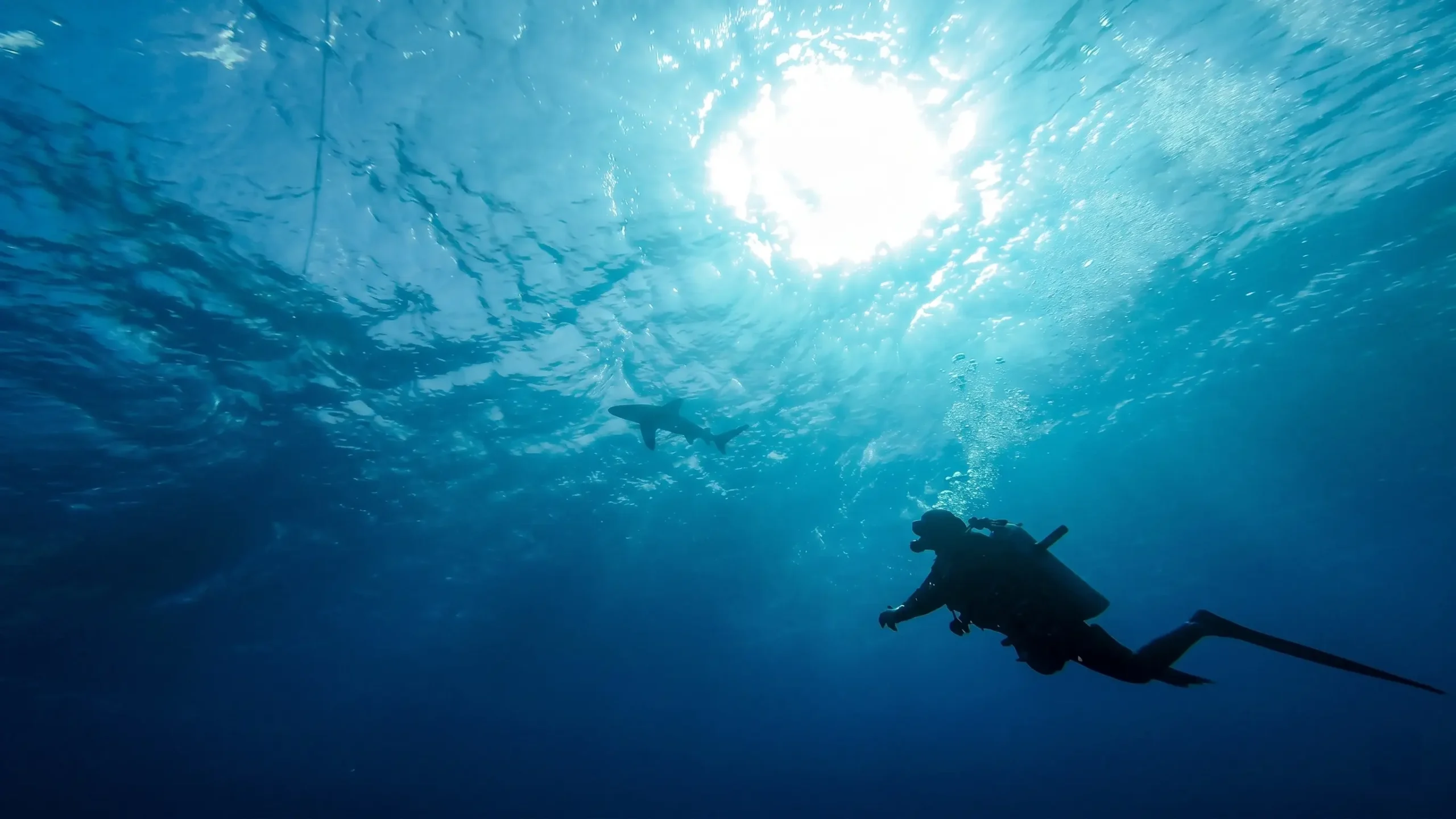
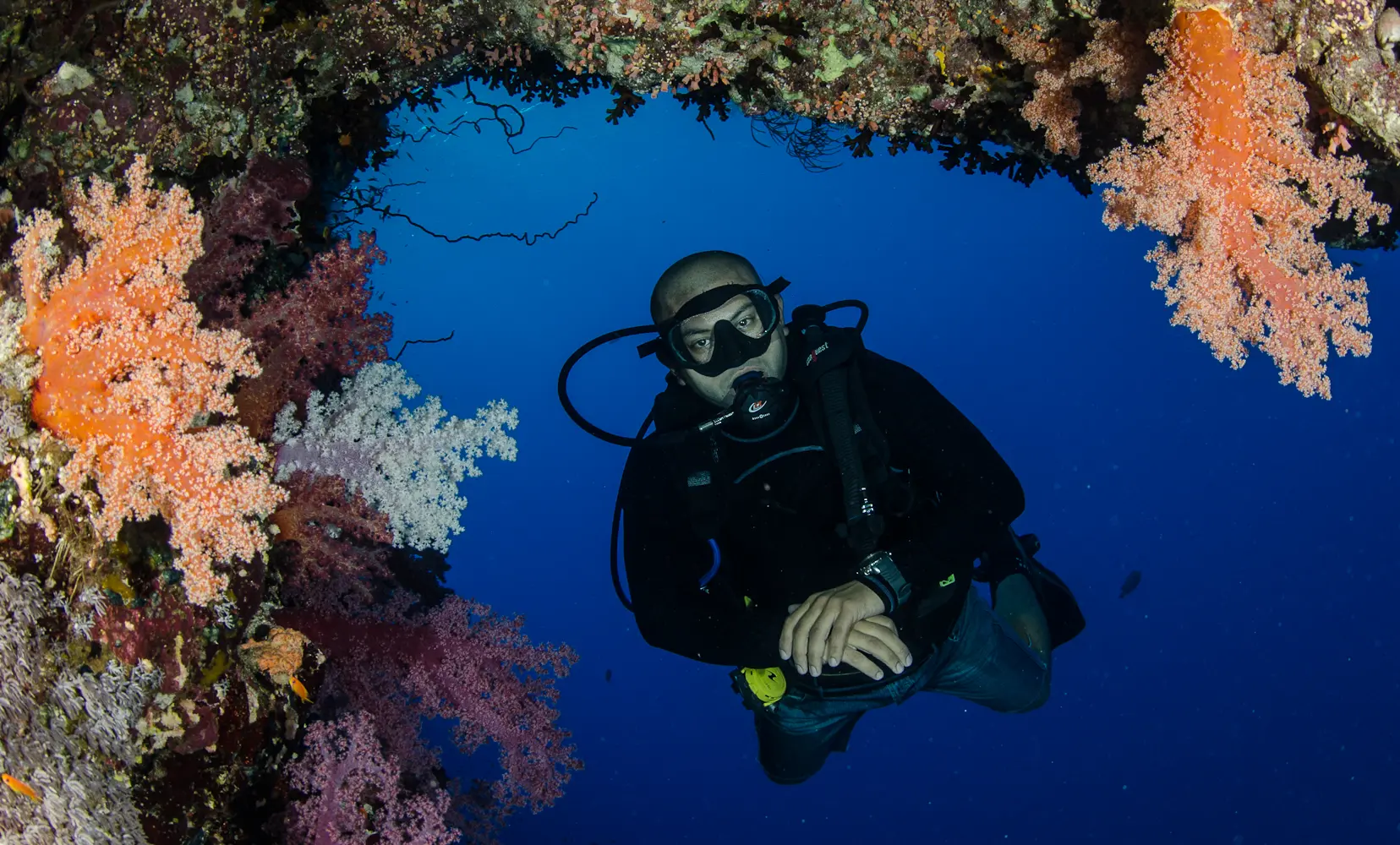
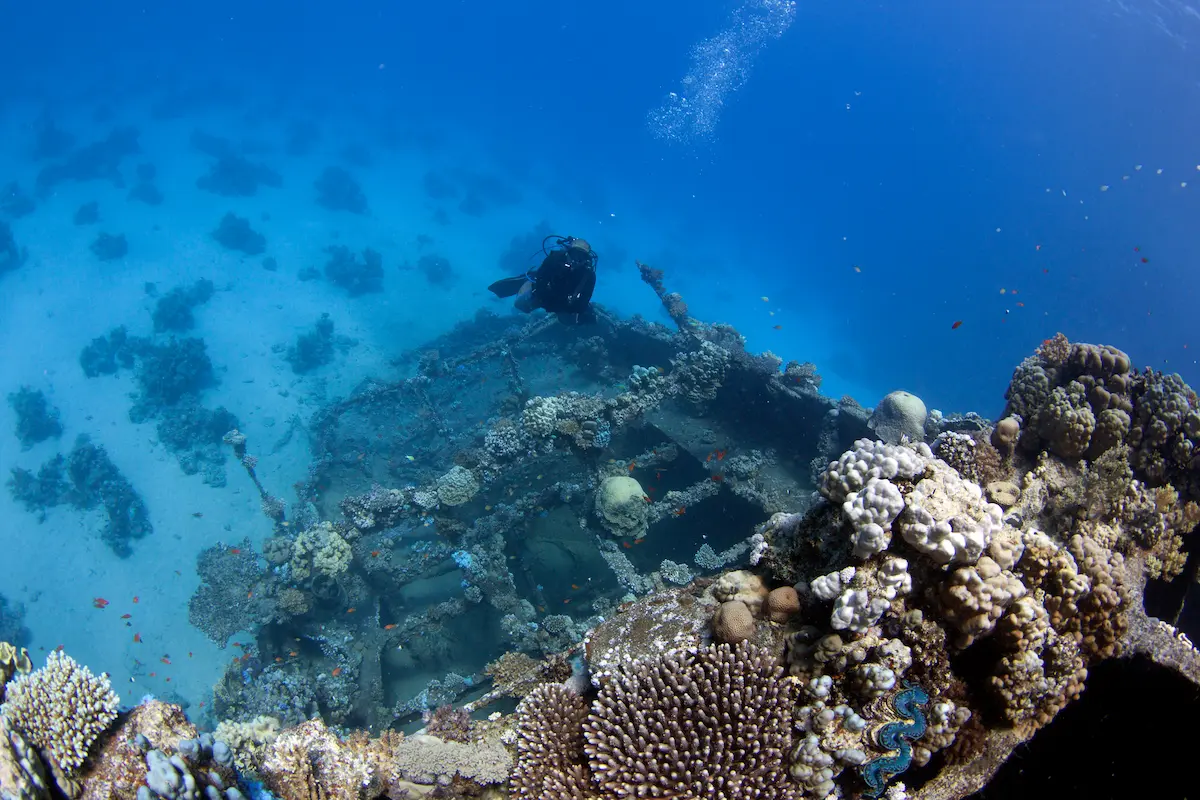
Few places on Earth deliver the sheer sensory overload of Red Sea diving. Warm, gin-clear water, coral gardens that explode with color, walls that plunge into deep blue, and a cast of marine life ranging from tiny nudibranchs to oceanic whitetip sharks — Egypt’s Red Sea is a destination that consistently ranks among the top three dive regions on the planet. Whether you are chasing your very first breath underwater or logging your five-hundredth dive on a remote offshore reef, this coastline has something engineered precisely for you.
What makes the Red Sea so special is the combination of accessibility and world-class quality. You can step off a plane in Marsa Alam or Hurghada and be breathing compressed air over a thriving reef within hours. The visibility routinely exceeds 20–30 metres, water temperatures stay comfortable year-round, and the density of healthy hard and soft coral is almost unrivalled.
Marsa Alam Dive Sites — Egypt’s Southern Red Sea Gem
If you want the richest Red Sea diving with the fewest crowds, Marsa Alam is where seasoned divers point you. Sitting on the southern stretch of Egypt’s mainland coast, this once-sleepy fishing town has grown into a diving hub without losing the raw, unspoiled character of its reefs. The sites here are famous for big-animal encounters — dugongs, dolphins, turtles and oceanic sharks — set against pristine coral.
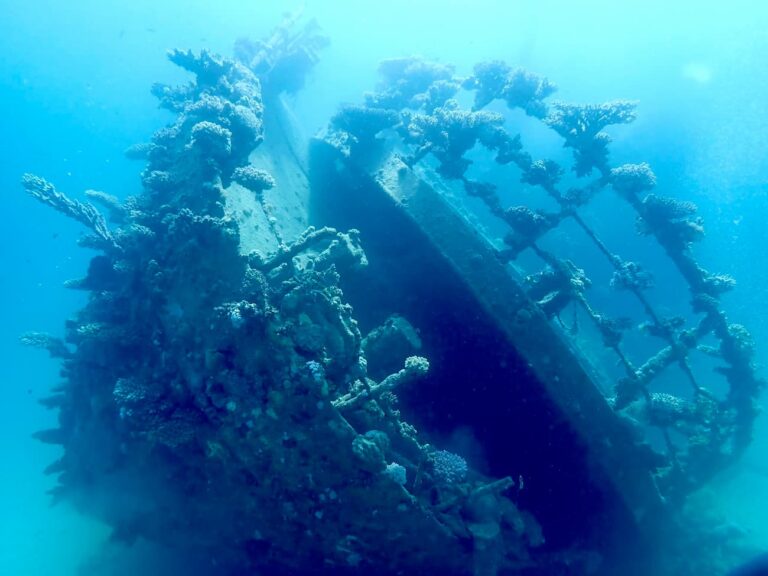
The Hamada Wreck, resting near the shore at Abu Ghusun, is one of Marsa Alam’s...
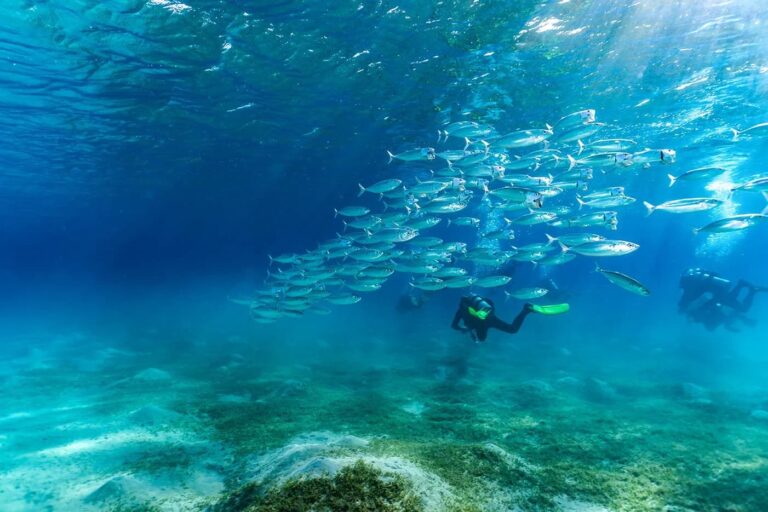
Marsa Assalaya, also known as Sharm Assalaya, is a shallow, protected bay located just south...
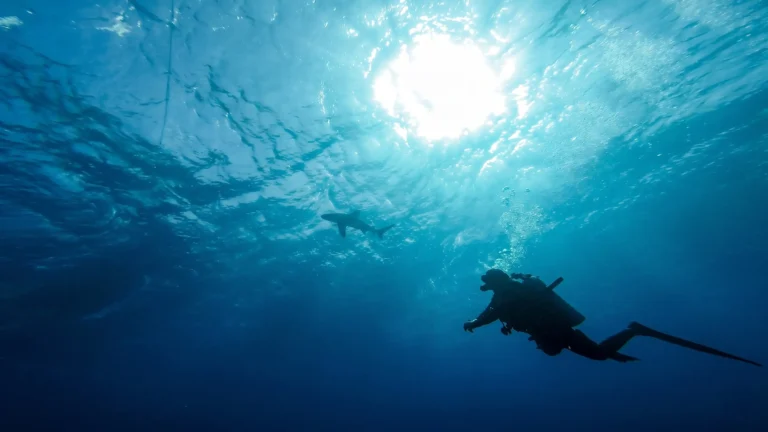
Welcome to Elphinstone Reef, one of Egypt’s most iconic dive sites located in the southern...
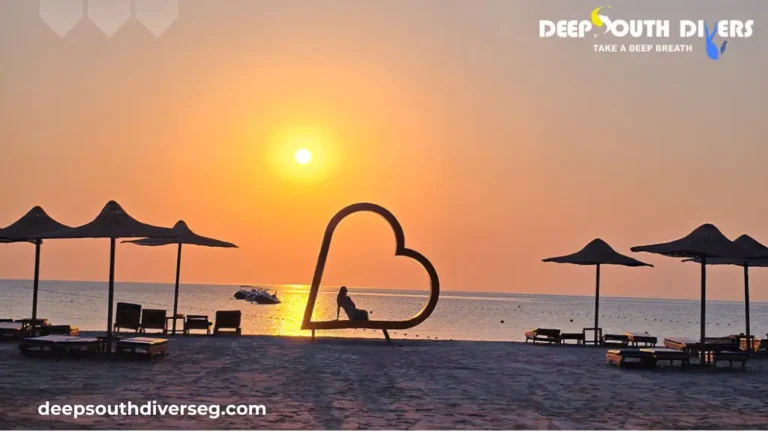
If your dream is to slip into warm, waist-deep water and find yourself face to...
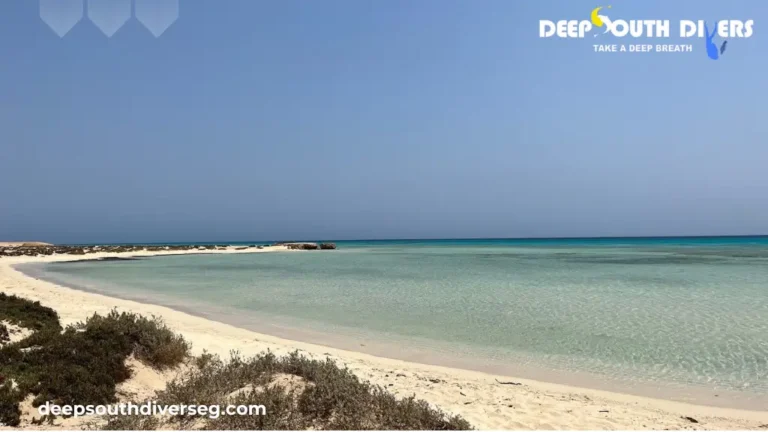
If you have ever scrolled past a photo of a blinding-white sandbar dissolving into fifty...
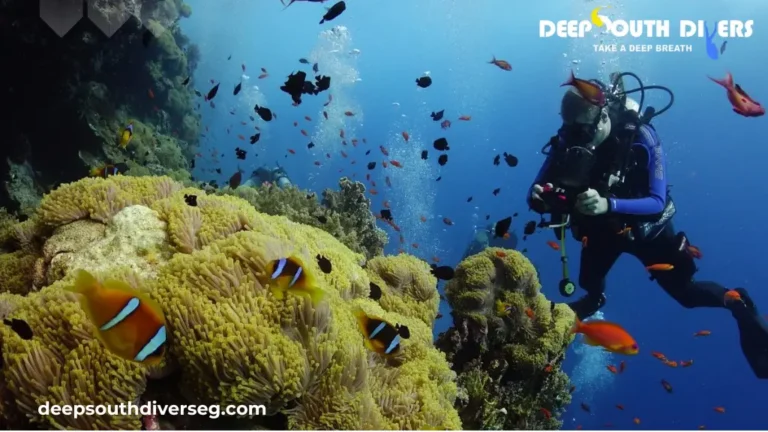
Rising sheer from a seabed nearly half a kilometre down, marooned in the open blue...
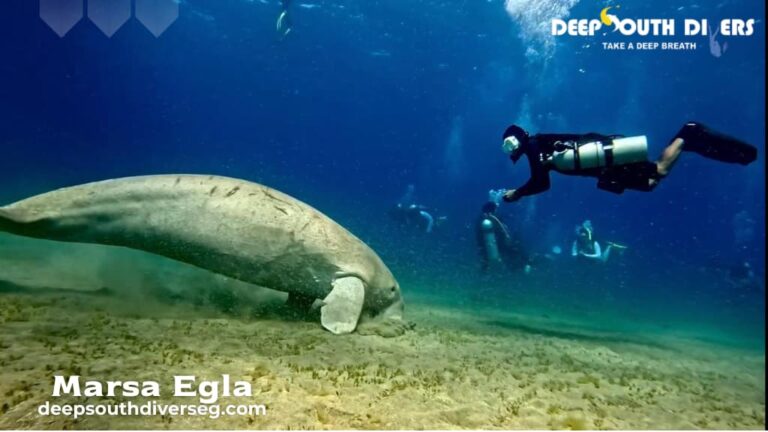
Marsa Egla is a well-known, protected bay located approximately 11 km north of Marsa Alam....
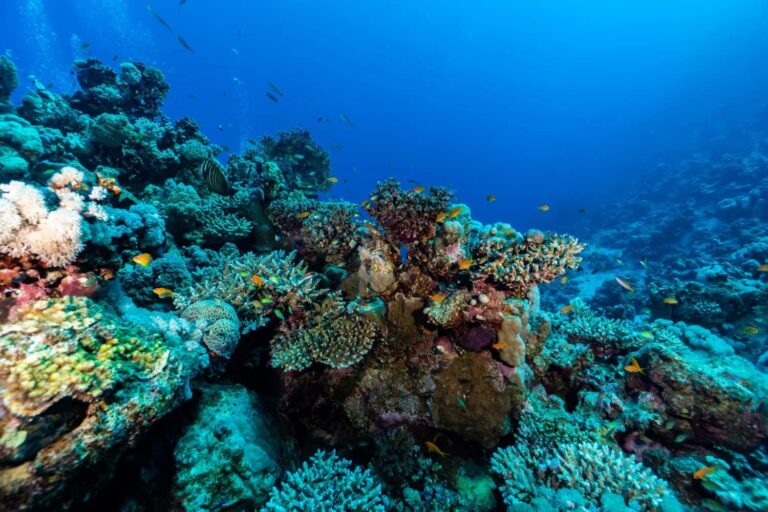
Marsa Tondoba is a protected natural bay located just 14 km south of Marsa Alam....
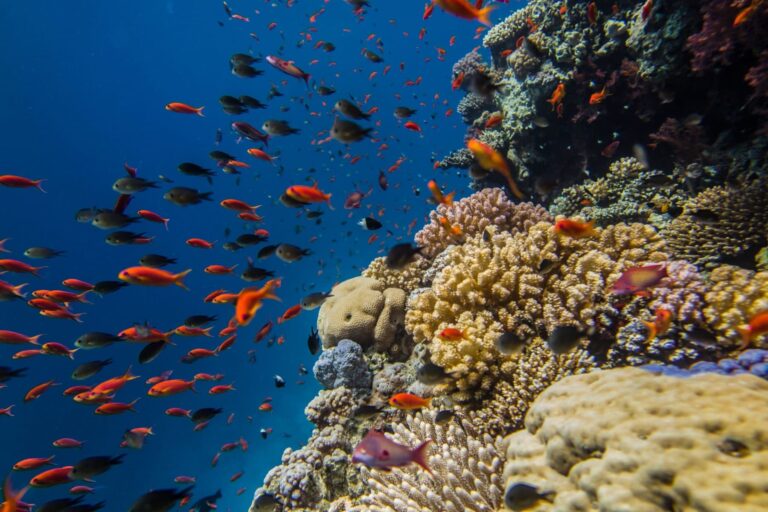
Located just a short drive south of Marsa Alam, Abu Sail is a lesser-known but...
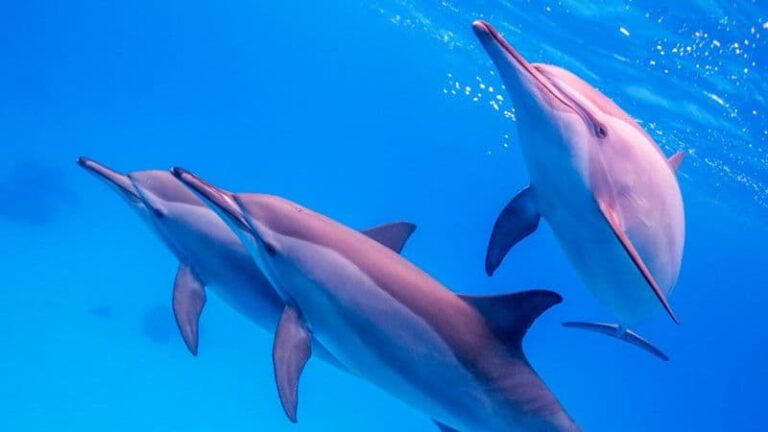
Located just off the coast of Marsa Alam, Dolphin House (Shaab Samadai) is one of...
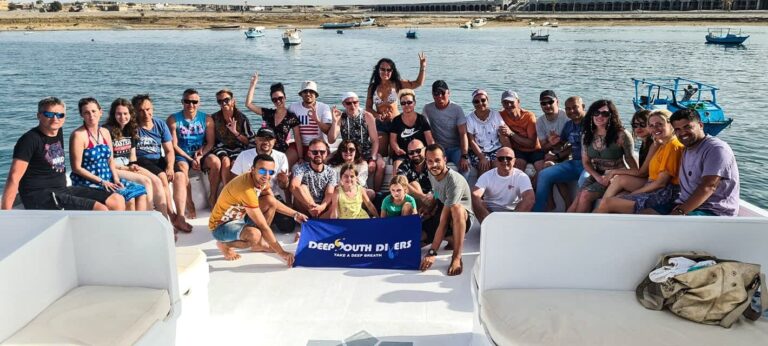
Shaab Marsa Alam is one of the hidden gems of Egypt’s southern Red Sea—offering pristine...
El Quseir Diving Sites — Unspoiled Reefs of the Central Red Sea
North of Marsa Alam lies El Quseir, one of the oldest towns on the Red Sea coast and one of its most underrated dive bases. Because it sees fewer visitors than the big resort centres, El Quseir diving offers something increasingly rare: quiet, pristine reefs where you may share the water with nobody but your buddy. The house reefs here are outstanding, with steep drop-offs beginning just metres from shore.
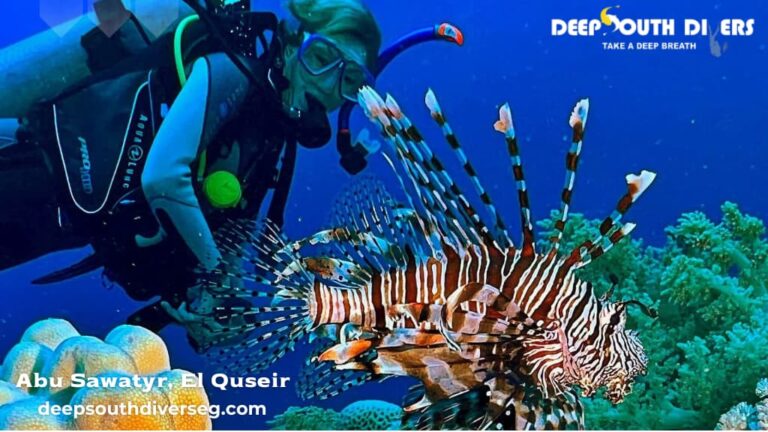
Abu Sawatyr is a captivating dive site located just off the coast of El Quseir,...
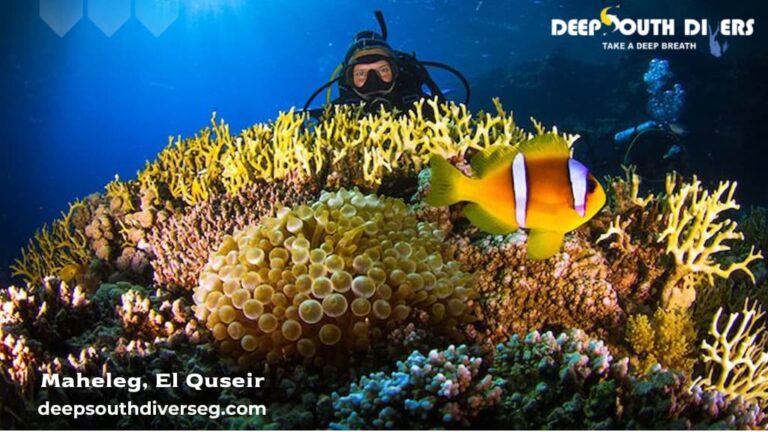
Maheleg is one of the most popular dive sites near El Quseir, Egypt, known for...
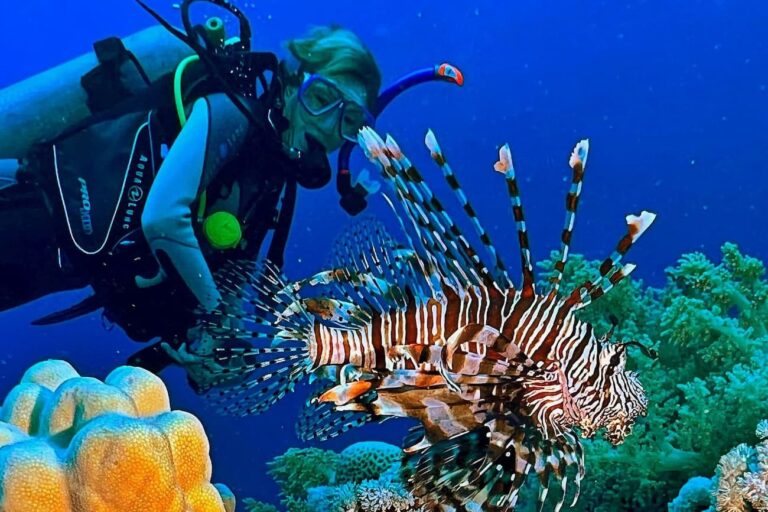
Nestled just 40 minutes north of El Quseir, Zerib Kebir is one of the Red...
Marsa Alam Diving Courses — From First Breath to Pro
One of the reasons the Red Sea is so beloved by newcomers is that it’s an almost perfect classroom: warm, calm, clear and forgiving. Marsa Alam diving courses cater to every level, taught by multilingual instructors through globally recognised agencies such as PADI and SSI. Whether you have never touched a regulator or you’re pursuing a professional rating, there is a pathway for you.
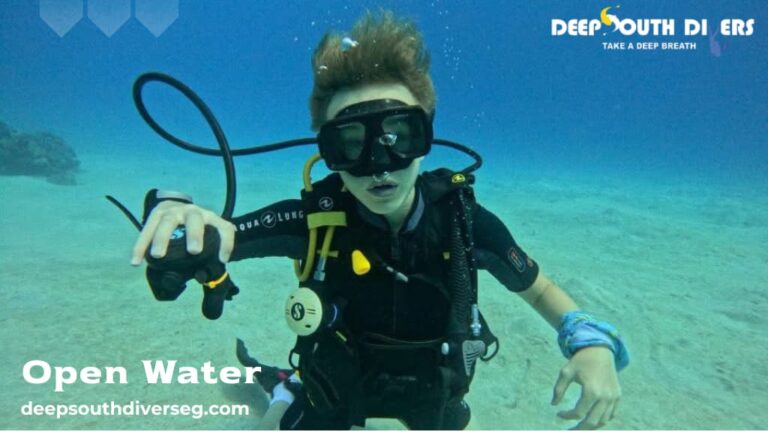
Are you ready to explore the fascinating underwater world of Marsa Alam? The SSI Open...
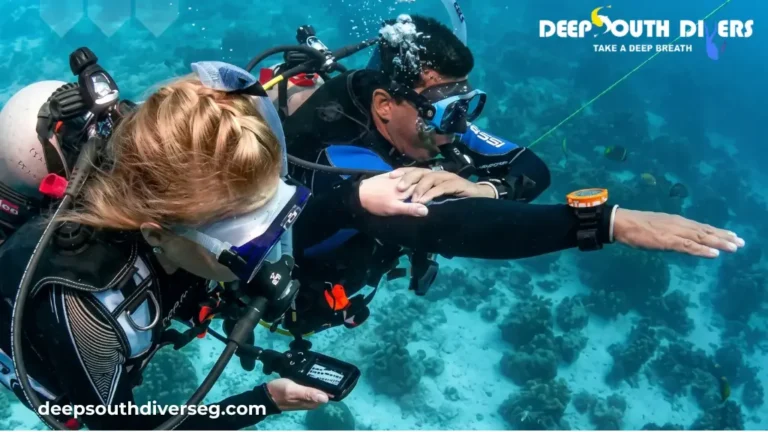
At Deep South Divers, we believe diving is more than a hobby—it’s a journey. If...
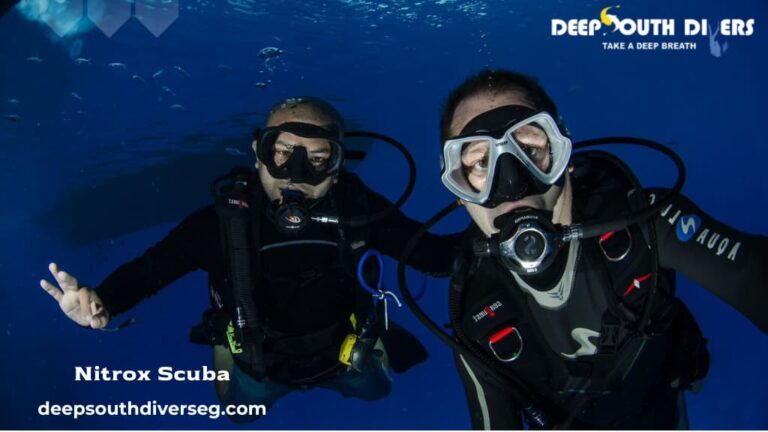
At Deep South Divers, we believe that the best diving experiences happen when you have...
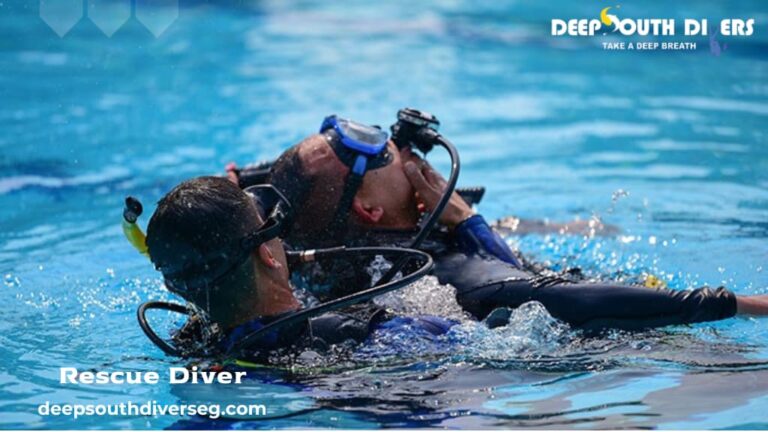
At Deep South Divers, we believe that great divers aren’t just skilled at exploring the...
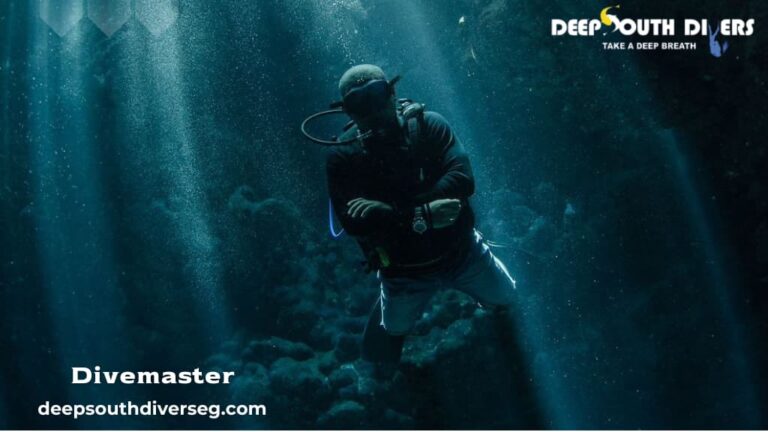
Are you ready to take your passion for diving to the next level? The Divemaster Course...
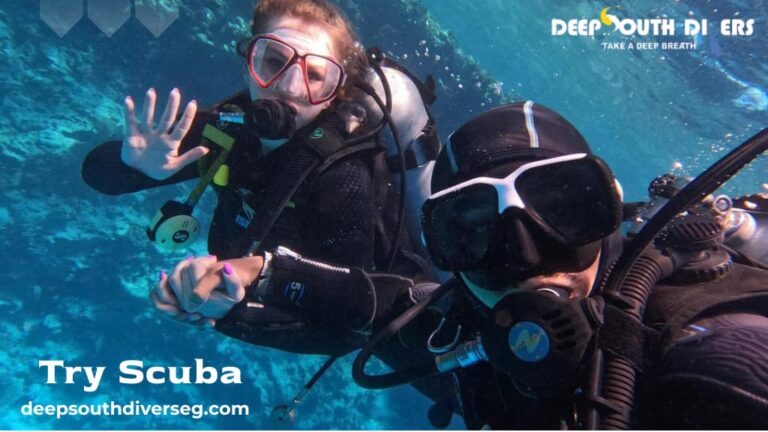
Have you ever dreamed of exploring vibrant coral reefs and swimming alongside colorful marine life?...
Red Sea Diving Liveaboard — Reaching the Wildest Reefs
Some of the most legendary Red Sea diving lies far offshore, beyond the reach of any day boat — and the only way to reach it is by liveaboard. These purpose-built dive vessels become your floating hotel for a week, sailing between remote reefs and delivering four dives a day in places most divers only dream about. A Red Sea diving liveaboard is the ultimate upgrade for certified, experienced divers.
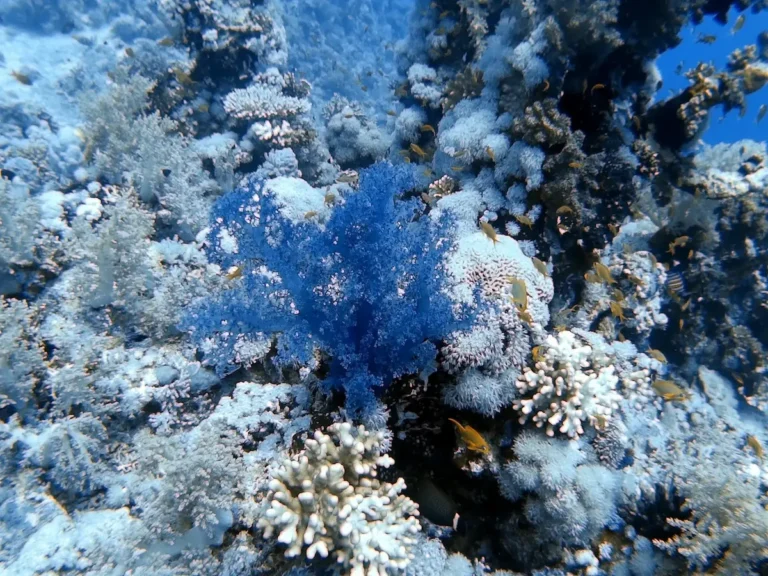
Ask any liveaboard veteran which reef in the far south of Egypt gets the adrenaline...
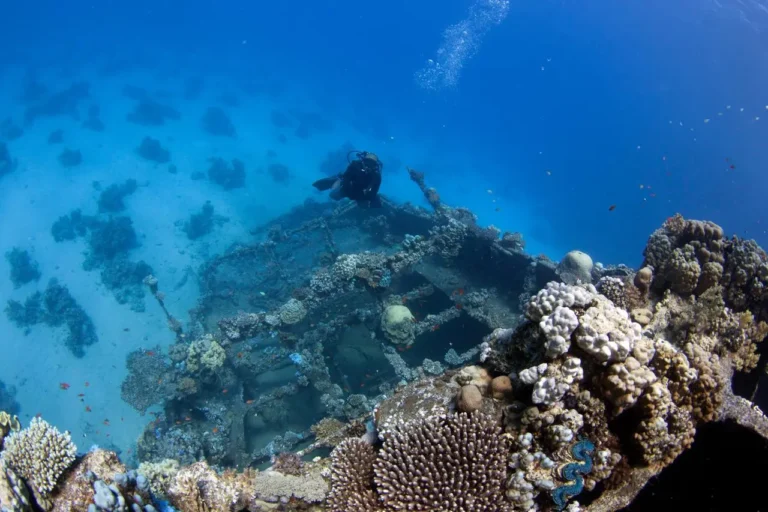
If there is one dive site in Egypt’s far south that rewards you the instant...
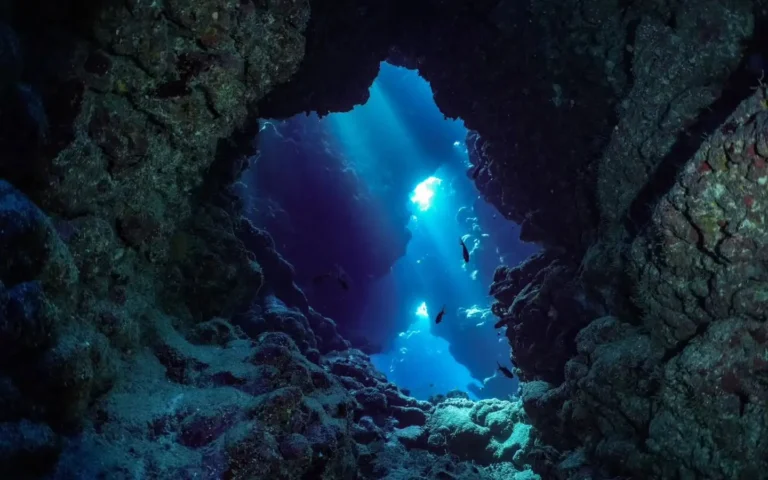
If you are planning a southern Red Sea liveaboard, Claudia Reef — known locally as Sha’ab Claudia...
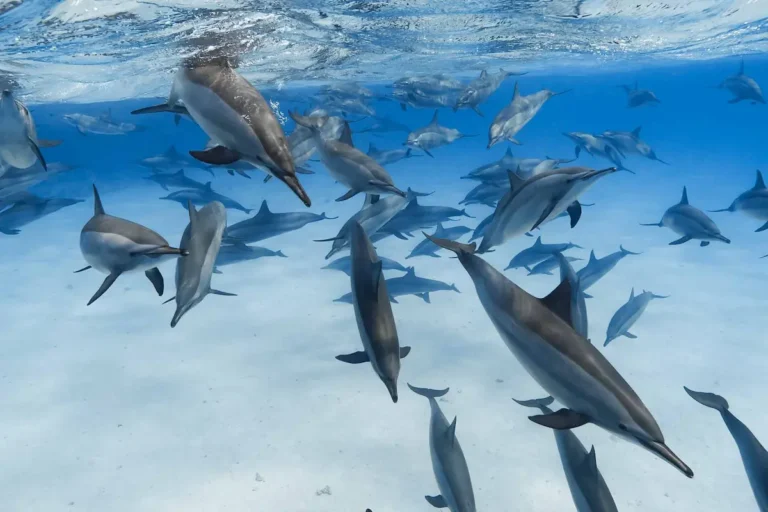
Picture yourself floating on the surface of a warm, glassy turquoise lagoon when suddenly dozens...
Marsa Alam Marine Life
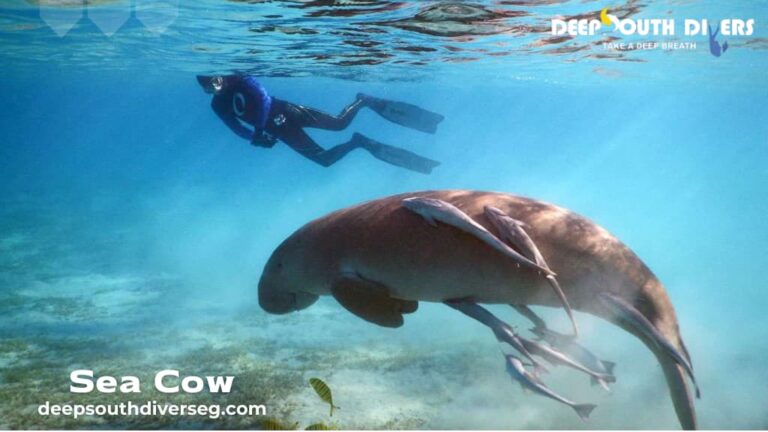
The dugong (Dugong dugon) is one of the ocean’s most peaceful and fascinating creatures —...
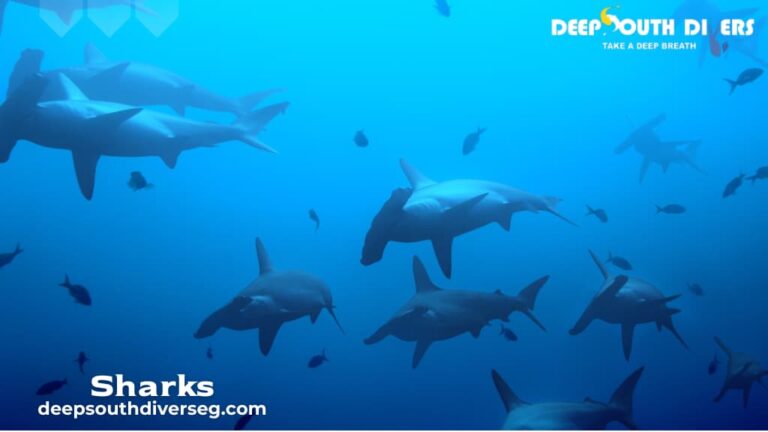
Marsa Alam is one of the few places in the world where divers can regularly...
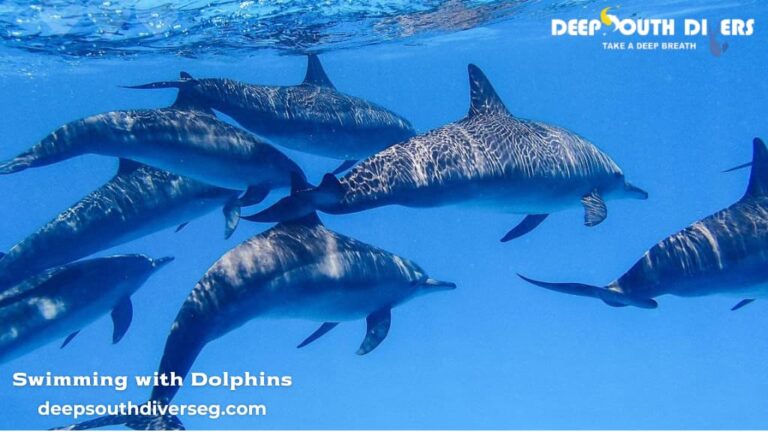
Marsa Alam is one of the few places in the world where you can swim...
Best Time for Red Sea Diving: Season-by-Season
The Red Sea is a year-round destination, but the “best” time depends on what you want to see and how you handle temperature. Water is always divable; the differences come down to marine-life seasons and comfort.
| Season | Water Temp | Air Temp | Highlights | Best For |
|---|---|---|---|---|
| Spring (Mar–May) | 22–25°C | 25–30°C | Comfortable, calm, great visibility | All levels, courses |
| Summer (Jun–Aug) | 27–30°C | 35–42°C | Warmest water, thin wetsuits | Long dives, liveaboards |
| Autumn (Sep–Nov) | 26–28°C | 28–34°C | Peak shark season (Elphinstone, Brothers) | Big-animal encounters |
| Winter (Dec–Feb) | 21–23°C | 20–24°C | Fewer crowds, thicker wetsuit needed | Budget trips, quiet reefs |
Best Time of Year for Scuba Diving in Marsa Alam
North vs South Red Sea: Choosing Your Region
Deciding where to base yourself is one of the most important planning choices. Here’s how the two halves of Egypt’s coast compare:
- Northern Red Sea (Hurghada, El Gouna, Sharm El Sheikh): Famous wrecks (Thistlegorm), Ras Mohammed, easy access, more nightlife and family resorts, busier reefs.
- Southern Red Sea (Marsa Alam, El Quseir): Wilder, quieter reefs, big-animal encounters, dugongs and dolphins, superb house-reef shore diving, gateway to offshore liveaboards.
Many divers combine both — a few days of northern wrecks followed by a southern reef adventure — for the complete Egyptian experience.
Red Sea Dive Sites Comparison Table
| Dive Site | Region | Level | Type | Highlight |
|---|---|---|---|---|
| Elphinstone Reef | Marsa Alam | Advanced | Wall / drift | Oceanic whitetips |
| Abu Dabbab | Marsa Alam | Beginner | Bay / shore | Dugongs & turtles |
| Sha’ab Samadai | Marsa Alam | All levels | Lagoon reef | Spinner dolphins |
| El Kaf House Reef | El Quseir | All levels | Wall / shore | Canyons & glassfish |
| The Brothers | Offshore | Advanced | Wreck / wall | Sharks & wrecks |
| SS Thistlegorm | Northern | Advanced | Wreck | WWII cargo |
Essential Gear and What to Pack
Dive centres and liveaboards rent full equipment, but many divers prefer their own well-fitted kit. Here’s what serves you well in the Red Sea:
- Wetsuit: 3mm for summer, 5mm for winter or long dive days.
- Mask, snorkel and fins fitted to your face for comfort.
- Dive computer — increasingly required on liveaboards.
- SMB (surface marker buoy) and reel for drift and offshore diving.
- Reef-safe sunscreen to protect the coral.
- Certification card and logbook — always carry proof of level.
- Light exposure protection against sun between dives.
Try Scuba Diving in Marsa Alam
Safety, Health and Responsible Diving
Decompression Safety
The Red Sea’s deeper walls tempt divers to push limits. Dive within your training, use conservative computer settings, make safety stops, and stay well hydrated in the desert climate. A recompression chamber is available at major hubs, and DAN dive insurance is strongly recommended.
Current and Offshore Awareness
Offshore reefs like Elphinstone and the Brothers can have strong currents. Always dive with an experienced guide, carry an SMB, and be comfortable with drift techniques before attempting them.
Protecting the Reef
- Maintain neutral buoyancy and never touch coral.
- Keep a respectful distance from turtles, dolphins and dugongs.
- Choose reef-safe sunscreen and take all rubbish with you.
- Support dive centres that follow marine-park regulations.
Snorkeling and Non-Diver Options
You don’t need a certification to enjoy the Red Sea’s magic. The shallow, sun-drenched reefs of Abu Dabbab, Marsa Mubarak and countless house reefs are superb for snorkeling, where turtles, rays and coral gardens sit just below the surface. Glass-bottom boats, dolphin-watching trips and swimming excursions round out the options for families and non-divers travelling with a dive-obsessed partner.
Planning Your Red Sea Diving Trip
A little planning transforms a good trip into an unforgettable one. Keep these essentials in mind when organising your Red Sea diving holiday:
- Fly into the right airport: Marsa Alam International serves the southern reefs; Hurghada and Sharm serve the north.
- Match the season to your goals: autumn for sharks, spring and summer for warmth and courses.
- Choose your style: resort-based day diving for flexibility, or a liveaboard for remote reefs.
- Book courses in advance if you plan to certify, so instructor time is reserved.
- Get dive insurance and confirm your gear and certification are current.
- Allow a no-fly gap of at least 18–24 hours after your last dive before flying.
Red Sea Diving FAQs
Is the Red Sea good for beginner divers?
Yes — it’s one of the best places in the world to learn. Warm, calm, clear water and gentle shore reefs in Marsa Alam and El Quseir make it ideal for Discover Scuba and Open Water courses under expert instruction.
What is the best time of year for Red Sea diving?
Every season works, but autumn (September–November) is prime for shark encounters at Elphinstone and the offshore reefs, while spring and summer offer the warmest water. Winter is quietest and cheapest but needs a thicker wetsuit.
Do I need a liveaboard, or can I dive from a resort?
Resort-based day diving reaches most coastal sites and suits all levels. A liveaboard is only necessary to reach remote offshore reefs like the Brothers, Daedalus and St John’s, and generally requires an Advanced certification.
What sharks can I see when diving in Egypt?
Common sightings include oceanic whitetips, grey reef sharks, hammerheads and thresher sharks, mostly at offshore reefs and during autumn. Whale sharks appear occasionally as seasonal visitors.
Is Red Sea diving safe?
It is very safe when you dive within your training and use reputable operators. Recompression facilities exist at major hubs, and carrying dive insurance such as DAN is strongly advised, especially for deep or offshore dives.
What certification do I need for Marsa Alam dive sites?
Sheltered sites like Abu Dabbab and Marsa Mubarak suit beginners and even snorkelers, while current-swept sites like Elphinstone require an Advanced Open Water certification and solid buoyancy control.
How much does diving in the Red Sea cost?
Costs vary by operator and package, but the Red Sea is considered excellent value compared with other tropical destinations. Day diving, courses and liveaboards each have their own pricing — check the listings above for current rates.
Can non-divers enjoy the Red Sea too?
Absolutely. Snorkeling over shallow reefs, dolphin-watching trips and glass-bottom boat tours let non-divers experience the marine life, making it a great destination for mixed groups and families.
Your Red Sea Diving Adventure Awaits
From the dugong-grazed seagrass of Abu Dabbab to the shark-patrolled walls of Elphinstone and the offshore drama of the Brothers, Red Sea diving offers a lifetime of underwater discovery in a single stretch of coast. Marsa Alam and El Quseir deliver pristine reefs and big-animal encounters; the region’s diving courses turn curious beginners into confident divers; and liveaboards unlock the wildest, most remote sites Egypt has to offer.
Whatever your level, whatever the season, the Red Sea rewards you with warm water, brilliant visibility and marine life you’ll be talking about long after you surface. Choose your sites, pick your season, book your course or liveaboard — and get ready to fall in love with the underwater world. The reef is waiting.