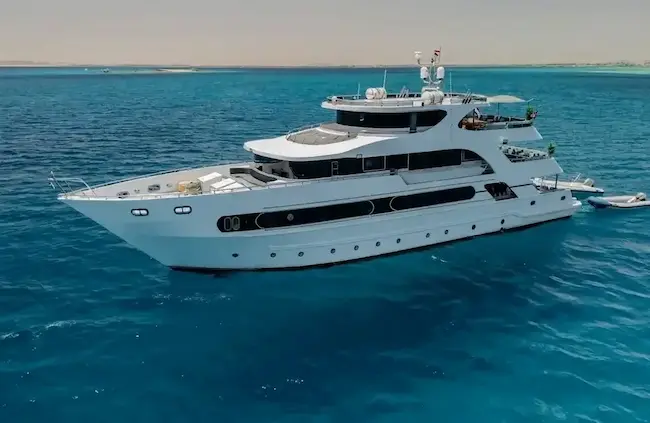
If there is one dive site in Egypt’s far south that rewards you the instant you drop below the surface, it is Abu Galawa Kebir. Tucked into the northern edge of the legendary Fury Shoal reef system, roughly 16 kilometres east of Hamata and within easy reach of Marsa Alam, this site pairs a shallow, sun-drenched lagoon with one of the most beautifully overgrown shipwrecks in the entire Red Sea. Whether you are a nervous open-water beginner or a seasoned wreck hunter, Abu Galawa Kebir delivers a rare combination of safety, beauty and genuine adventure.
The name itself tells you what to expect. In Arabic, Abu Galawa loosely translates to “father of the lagoon,” and Kebir means “big” — distinguishing this reef from its smaller sibling, Abu Galawa Soghayar, a short hop away. At its heart lies the Tien Hsing, a 1930s Chinese steam tug that ran aground here in 1943 and has since been so thoroughly claimed by hard and soft corals that divers often struggle to tell where the reef ends and the hull begins.
This guide draws on first-hand diving experience and the accumulated wisdom of the Fury Shoal’s most trusted operators to give you everything you need: the wreck’s full story, the topography of both lagoons, the marine life you can realistically expect, the best seasons, and honest safety advice. By the end, you will know exactly why Abu Galawa Kebir belongs on every southern Red Sea itinerary.
Where Is Abu Galawa Kebir? Location and Access
Abu Galawa Kebir sits in the southern Red Sea, at the north-western fringe of the Fury Shoal (also written Fury Shoals) — a sprawling maze of reefs, pinnacles and sandy channels that stretches south of Marsa Alam toward the port of Hamata. Its GPS coordinates are approximately 24°13′ N, 35°34′ E, placing it in some of the most pristine and least crowded diving territory in Egypt.
Getting to the Dive Site
Most divers reach the reef in one of two ways, each with its own rhythm and advantages:
- Day trips from Marsa Alam: A road transfer from your Marsa Alam hotel to Hamata port takes around two hours, followed by roughly 80 minutes of sailing to the reef. Day-boat packages typically include lunch, snacks, drinks and two guided dives or snorkelling sessions.
- Liveaboard safaris: Abu Galawa Kebir is a favourite overnight mooring for southern Red Sea liveaboards. The sheltered lagoon offers calm, protected water, which makes it ideal for a relaxed evening and superb night dives.
Because it can be dived comfortably as either a day excursion or a liveaboard stop, the site suits a wide range of travellers.
How It Fits Into a Fury Shoal Itinerary
The beauty of this location is that Abu Galawa Kebir rarely stands alone. Within a few kilometres you will find a cluster of world-class reefs, so operators routinely combine it with neighbouring sites. Popular pairings include:
- Abu Galawa Soghayar — the “small” lagoon with its own sailboat wreck and glassfish clouds.
- Sha’ab Claudia (Claude) — famous for swim-throughs, huge porite corals and resident whitetips.
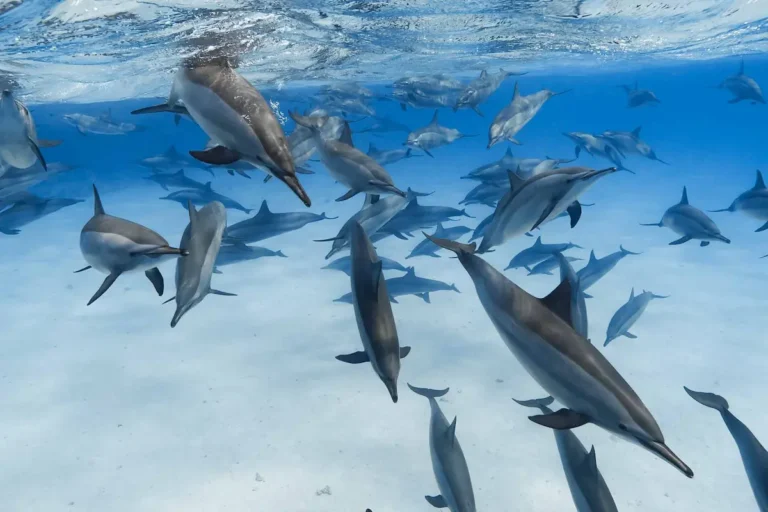
- Sataya Reef — the “Dolphin Reef,” where spinner dolphins gather.
- Malahi — the “playground” reef, riddled with canyons and small caves.
The Tien Hsing Wreck: The Star of Abu Galawa Kebir
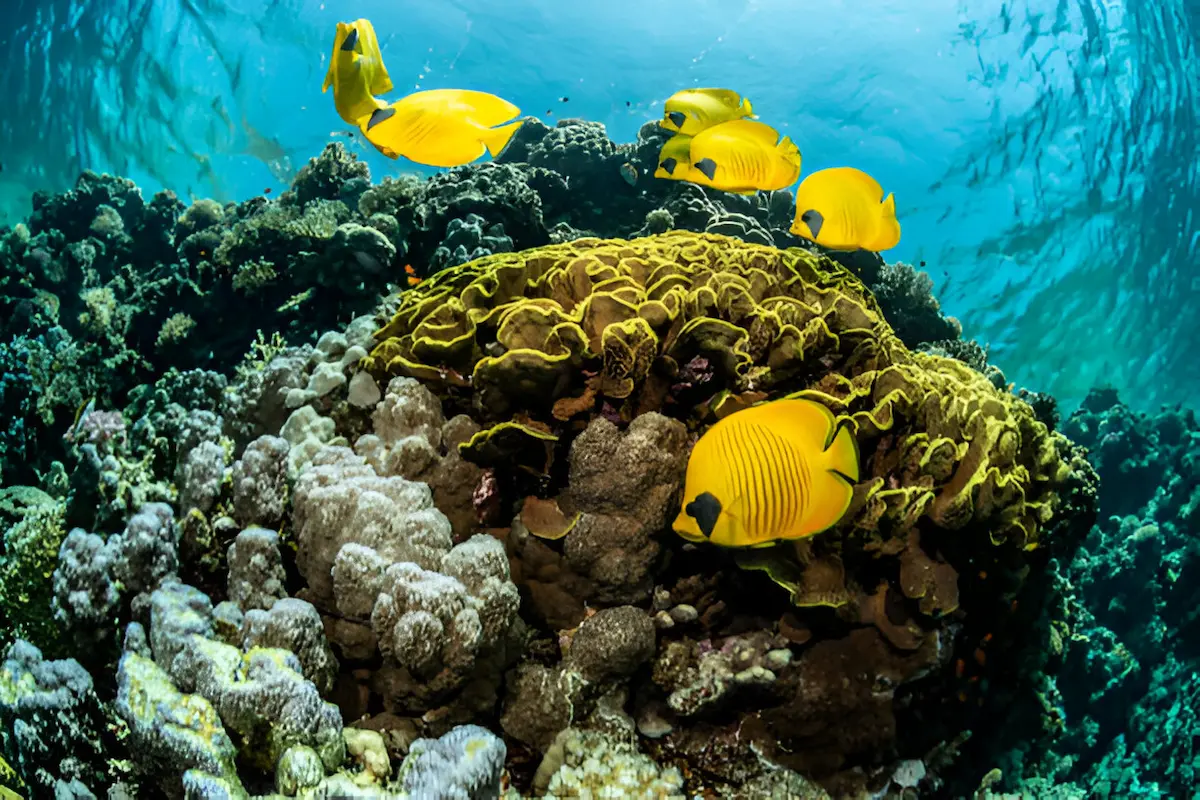
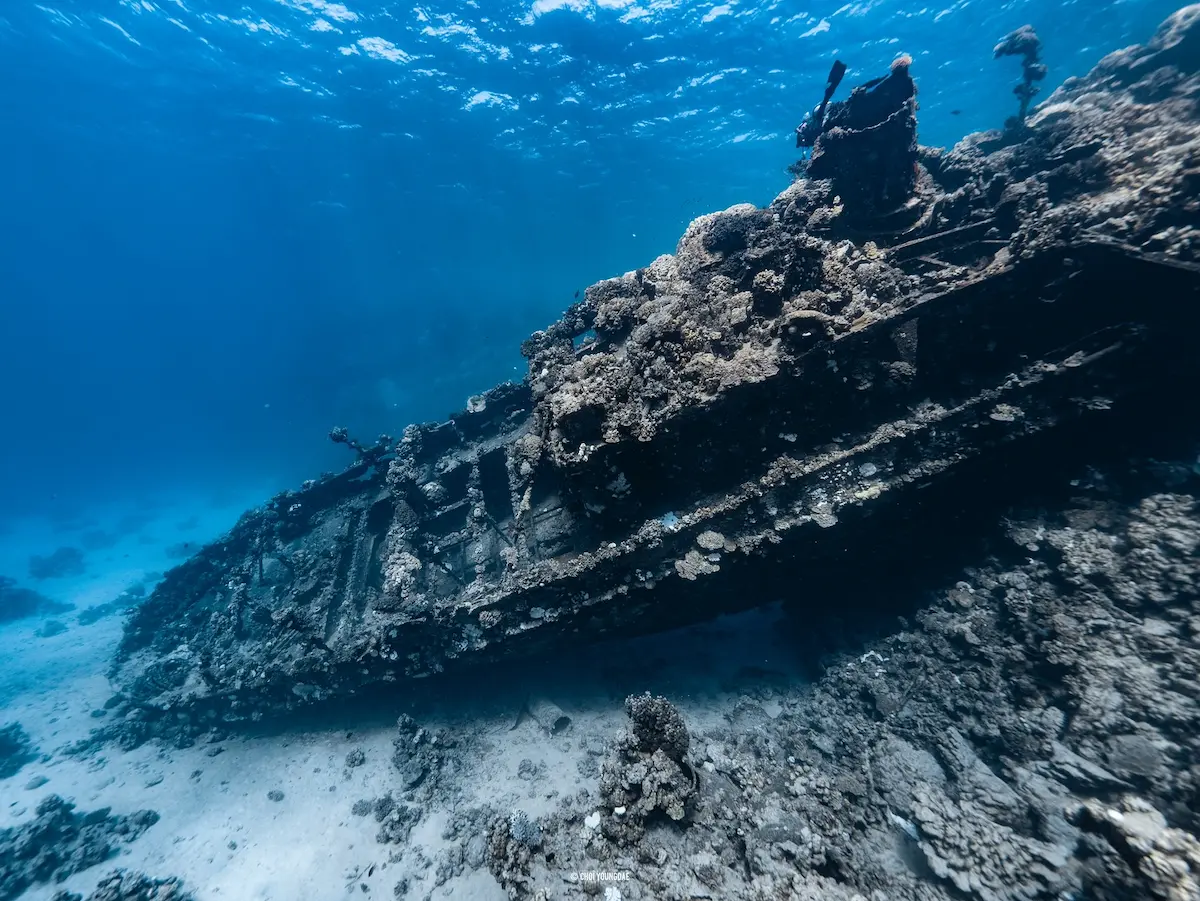
No description of Abu Galawa Kebir is complete without the Tien Hsing, the coral-smothered tug that gives the site its wreck-diving reputation. Often written phonetically as “Tienstin,” she is one of the most photogenic and beginner-friendly wrecks anywhere in the Red Sea.
The History of the Tien Hsing
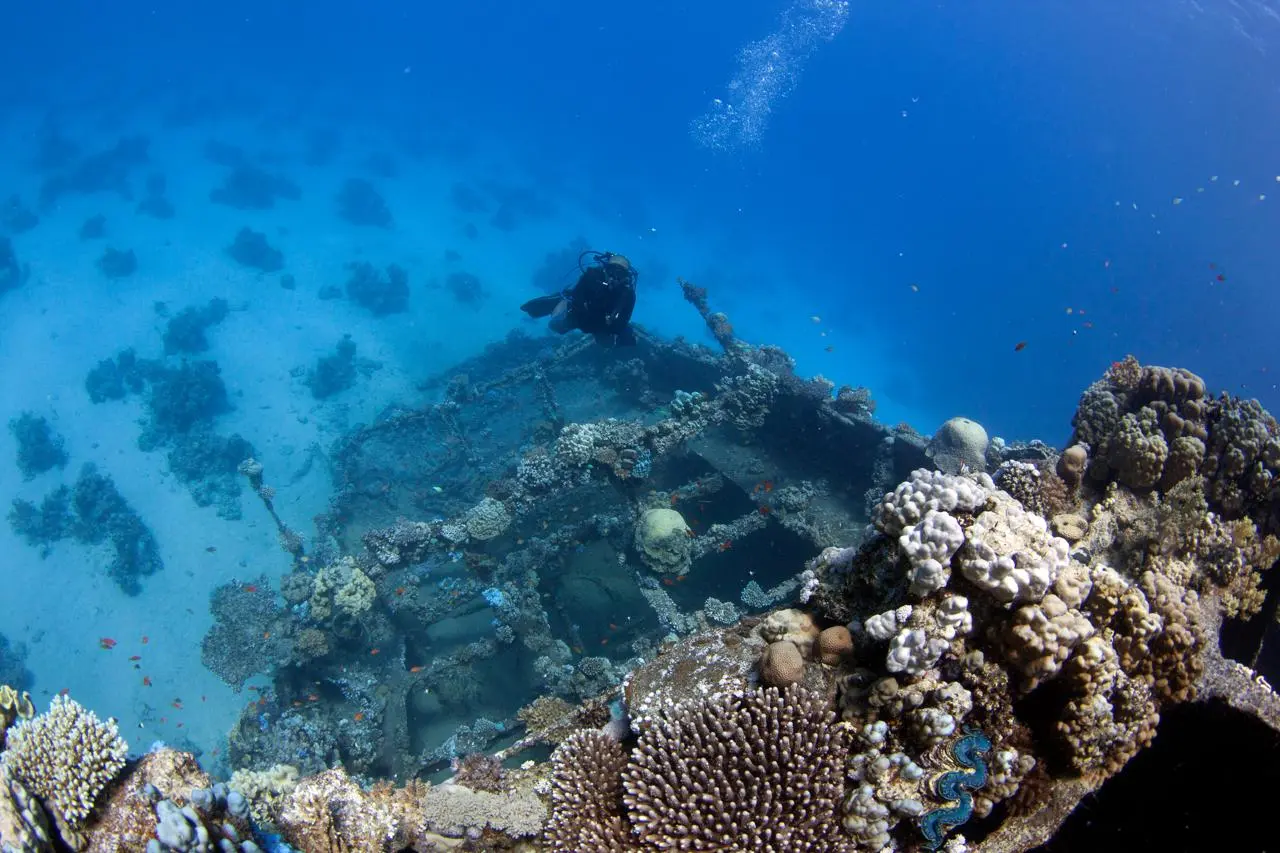
The Tien Hsing was a steam tug of roughly 268 to 300 tons and about 34 to 36 metres in length, built in 1935 at the Ta Chung Hua Shipbuilding and Engineering Works in Shanghai. The limited records that survive suggest she was transiting from Suez toward Massawa in Eritrea when she ran aground on the reef and sank on 26 October 1943. More than eight decades later, her steel skeleton has been transformed into a living reef.
How the Wreck Lies Today
Understanding the wreck’s orientation helps you plan a smooth, safe dive:
- Depth range: The stern rests at roughly 17–18 metres, while the tip of the bow actually breaks the surface at low tide — meaning you can trace the entire hull from the shallows to the sand.
- Position: She lies parallel to the southern slope of the reef, canted onto her starboard side at roughly 40–45 degrees, with the bow partly buried in coral.
- The keel gap: Because she leans against the reef, divers can swim beneath the keel through the gap between the hull and the reef wall — a memorable, easy pass-through.
Coral Growth and Marine Encounters
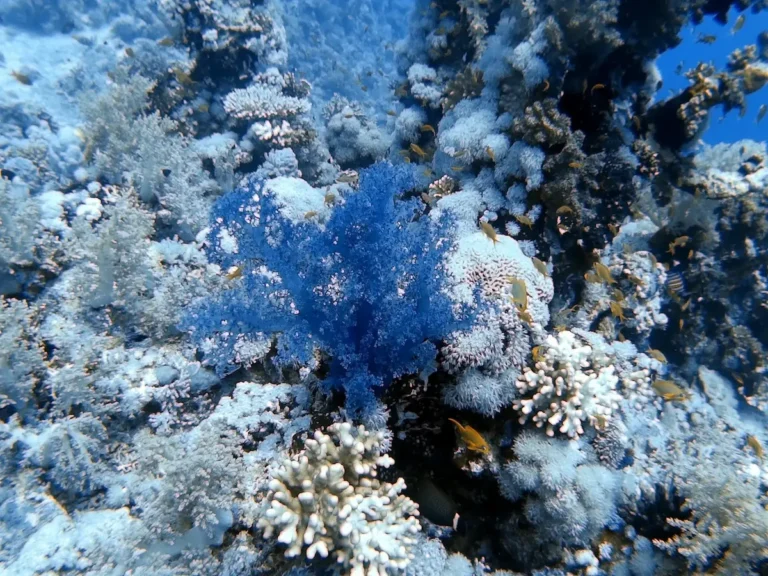
What sets the Tien Hsing apart is the sheer density of its coral coat. The port (upper) side is so thickly encrusted with hard and soft corals that it can be hard to distinguish the wreck from the surrounding reef — a claim few Red Sea wrecks can match. Schools of fusiliers sweep across the structure, glassy sweepers shimmer inside the hull, and it is common to see whitetip reef sharks resting nearby, along with Napoleon wrasse and giant moray eels.
Wreck Penetration Points
For appropriately trained divers, gentle penetration is possible, though never mandatory. The classic entry points are:
- Two doorways on the starboard side leading into the pilot’s cabin and the engine room, where the engine and boilers remain in place.
- A further opening on the starboard aft section that leads into a small bathroom — the toilet is famously still fitted.
- A large open hold toward the stern, where the propeller shaft can be traced running back from the engine room.
Always dive within your training and certification limits. Overhead environments carry real risk, and much of the wreck’s magic can be enjoyed entirely from the outside.
Topography and Underwater Landscape of Abu Galawa Kebir
Beyond the wreck, Abu Galawa Kebir is a genuinely rich reef in its own right. The site is essentially built around two large reef bodies enclosing sheltered lagoons, giving you an unusual variety of terrain in a single, compact area.
The Northern Lagoon and Coral Garden
The larger northern section is where many dives begin. The entrance to the first lagoon sits at just 2–4 metres, opening into a shallow, protected basin carpeted with corals. A passage links it to a second, slightly smaller lagoon at 5–6 metres, equally rich in coral cover. Along the sandy floors of both lagoons, patient divers regularly spot blue-spotted stingrays half-buried in the sand.
Walls, Pinnacles and Swim-Throughs
Head west out of the first lagoon over big, healthy hard corals and the terrain opens into a coral garden that slopes toward a drop-off. With enough air and a guide, divers can venture further west to a striking pinnacle nicknamed the “Fuchur” rock at around 35 metres — divers say its shape recalls the luck dragon from a well-known fantasy film. Elsewhere, walls, passageways and pinnacles give experienced divers plenty to explore.
The Eastern Caverns
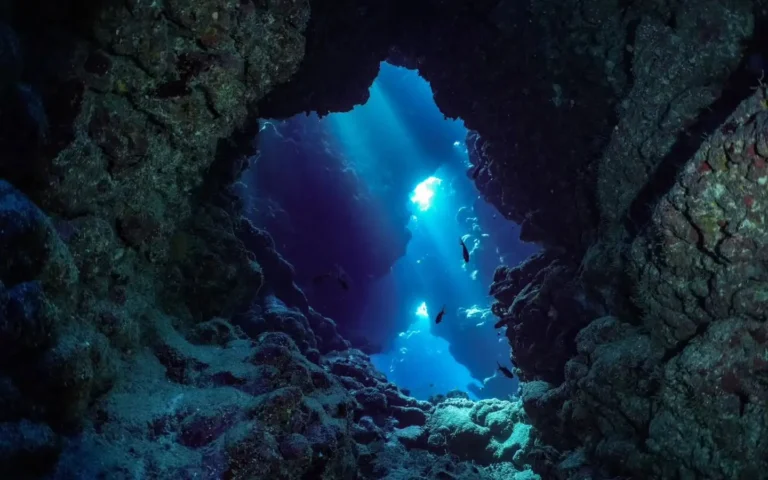
Along the east side of the same reef that holds the Tien Hsing runs a series of caverns at a manageable depth of around 5 metres. Poke into the cracks and overhangs here and you will find rewarding macro subjects — finger-coral crabs, bubble-coral shrimp and nudibranchs among them.
Marine Life at Abu Galawa Kebir
The biodiversity here is a large part of why divers return. The mix of shallow lagoon, coral garden, wall and wreck creates a wide range of micro-habitats, supporting everything from tiny critters to passing predators.
Reef Fish and Schooling Species
- Butterflyfish, angelfish, parrotfish and triggerfish across the coral garden.
- Clouds of fusiliers and glassy sweepers around and inside the wreck.
- Sweetlips, bannerfish and snappers along the slopes.
- Occasional schools of barracuda and trevally in the blue.
Larger and Signature Animals
- Whitetip reef sharks, frequently seen resting near the Tien Hsing.
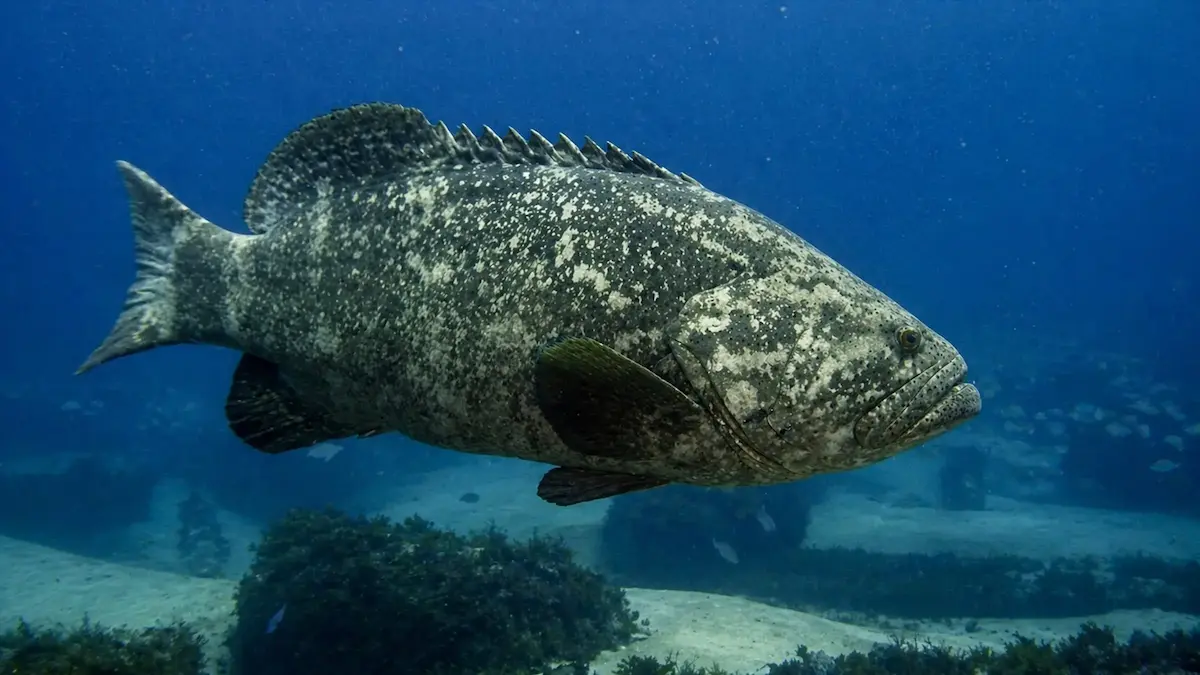
- Napoleon (humphead) wrasse and hefty groupers.
- Giant moray eels tucked into the wreck’s steelwork.
- Green and hawksbill turtles cruising the reef.
Macro Life for Photographers
The eastern caverns and lagoon floors are a macro-shooter’s playground. Look for nudibranchs, bubble-coral shrimp, finger-coral crabs, octopus and cuttlefish. Combined with the wide-angle potential of the wreck, this makes Abu Galawa Kebir one of the most versatile photography sites in the region.
Diving Conditions and Best Time to Dive Abu Galawa Kebir
One reason Abu Galawa Kebir is so widely loved is that its conditions are forgiving. Currents are typically limited, visibility is excellent, and the sheltered lagoon offers refuge when the open sea is choppy.
Quick-Reference Conditions Table
| Attribute | Details |
|---|---|
| Region | Fury Shoal, southern Red Sea (near Hamata / Marsa Alam) |
| Depth range | Wreck 0–18 m; reef down to ~35 m |
| Visibility | Typically 20–30 m, up to 50 m on the best days |
| Water temperature | Roughly 25–28°C in season |
| Current | Limited / mild |
| Suitable for | All levels, including beginners and snorkellers |
| Dive type | Wreck, reef, lagoon, night and boat diving |
| Access | Boat from Hamata, Marsa Alam or Port Ghalib |
Best Season to Visit
The Red Sea is divable year-round, but the sweet spots for Abu Galawa Kebir are the shoulder seasons:
- April to June: Warm, dry weather, calm seas and comfortable water temperatures.
- September to November: Similar settled conditions with excellent visibility.
- Summer (July–August): Warmest water and superb visibility, though air temperatures ashore can be intense.
- Winter (December–February): Still divable with a thicker wetsuit; fewer crowds.
Why It Suits Every Level
The shallow wreck, gentle currents and protected lagoon make this an ideal site for newly certified divers and even try-dives. At the same time, the deeper drop-off, the “Fuchur” pinnacle and optional wreck penetration give experienced divers plenty to sink their teeth into. Snorkellers, too, can enjoy the bow breaking the surface and the coral-rich shallows.
Tips for Diving Abu Galawa Kebir Like a Local
To make the most of a dive at Abu Galawa Kebir, keep these field-tested pointers in mind:
- Start deep, finish shallow: Drop to the stern at ~18 m first, then work up along the hull and finish in the lagoon or coral garden to maximise no-decompression time.
- Book a night dive: If you are on a liveaboard, the calm lagoon transforms after dark — Spanish dancers, hunting lionfish and sleeping parrotfish appear.
- Carry a torch by day: The caverns and wreck interior reveal far more colour and macro life with a light.
- Respect the corals: The wreck’s density of growth is fragile — maintain neutral buoyancy and never touch or hold on.
- Bring both lens options: Wide-angle for the wreck and reef-scapes, macro for the eastern caverns.
Abu Galawa Kebir vs Abu Galawa Soghayar
Divers often confuse the two Abu Galawa reefs, so here is how they differ:
| Feature | Abu Galawa Kebir | Abu Galawa Soghayar |
|---|---|---|
| Meaning | “Big” lagoon | “Small” lagoon |
| Signature wreck | Tien Hsing steam tug (1943) | Small private sailing boat (1980s) |
| Highlight | Coral-clad wreck, twin lagoons, caverns | Coral garden and glassfish-filled wreck |
| Best for | Wreck and reef combined | Easy, shallow reef diving |
Many itineraries dive both on the same day, and doing so gives a wonderful sense of how varied the Fury Shoal can be.
Frequently Asked Questions
What is Abu Galawa Kebir known for?
Abu Galawa Kebir is best known for the Tien Hsing, a 1943 Chinese tug wreck so heavily coated in corals that it blends into the reef. It also offers twin shallow lagoons, coral gardens, walls and easy caverns, making it one of the most versatile sites in the Fury Shoal.
Is Abu Galawa Kebir suitable for beginners?
Yes. Currents are usually limited, the wreck sits in shallow water from the surface to about 18 metres, and the lagoon is well protected. This makes it a comfortable choice for newly certified divers and even snorkellers, while still offering depth for experienced divers.
What is the Tien Hsing wreck?
The Tien Hsing (sometimes written “Tienstin”) was a Chinese steam tug of about 34–36 metres, built in Shanghai in 1935. She ran aground and sank at the reef on 26 October 1943 while sailing from Suez toward Eritrea, and now rests parallel to the southern slope, listing to starboard.
How deep is the diving at Abu Galawa Kebir?
The wreck ranges from the surface at low tide down to roughly 18 metres at the stern. The surrounding reef and drop-off descend to around 35 metres, so you can tailor the dive to your certification and comfort level.
Can you penetrate the wreck?
Appropriately trained divers can make gentle penetrations through starboard doors into the pilot’s cabin, engine room and a small bathroom. However, penetration is optional — much of the wreck’s beauty is enjoyed from the outside, and you can also swim under the keel.
When is the best time to dive Abu Galawa Kebir?
The most reliable windows are April to June and September to November, when the weather is warm and dry and the sea is calm. Summer offers the warmest water and best visibility, while winter remains divable with a thicker wetsuit and fewer crowds.
How do you get to Abu Galawa Kebir?
The site is reached by boat, most commonly from Hamata port, which is roughly a two-hour transfer from Marsa Alam hotels followed by about 80 minutes of sailing. It is also a popular overnight anchorage for southern Red Sea liveaboards.
What marine life will I see at Abu Galawa Kebir?
Expect whitetip reef sharks near the wreck, Napoleon wrasse, giant morays, turtles, blue-spotted stingrays in the lagoons, and clouds of fusiliers and glassfish. Macro highlights include nudibranchs, bubble-coral shrimp and finger-coral crabs in the eastern caverns.
Final Thoughts: Why Abu Galawa Kebir Belongs on Your Bucket List
Few dive sites manage to be beginner-friendly and genuinely thrilling at the same time, yet Abu Galawa Kebir does exactly that. The coral-drenched Tien Hsing gives you a slice of Red Sea history you can swim beneath and around; the twin lagoons and coral gardens offer calm, shallow beauty; and the walls, pinnacles and caverns keep experienced divers curious. Add mild currents, excellent visibility and a location deep in the unspoiled Fury Shoal, and it is easy to understand the site’s enduring popularity.
Whether you arrive on a day boat from Hamata or drop anchor on a liveaboard safari, plan for at least two dives so you can savour both the wreck and the reef without rushing. Dive it slowly, protect its fragile corals, and Abu Galawa Kebir will reward you with one of the most complete underwater experiences the southern Red Sea has to offer.