Habili Ali is the wild, current-swept jewel at the far eastern edge of Egypt’s St John’s reef system, and for many liveaboard divers it is the single most memorable dive of a deep-south safari. This is not a sheltered coral garden for a lazy drift — it is an exposed, offshore pinnacle rising from a seabed some 200 metres below, where strong currents feed lush coral and pull in the big animals every serious diver hopes to meet. Hammerheads, grey reef sharks, and even the occasional manta ray patrol these waters.
Because it marks the boundary between the St John’s complex and the open sea, Habili Ali catches the full force of the Red Sea’s currents, and that is precisely the source of its magic. The nutrient-rich flow has built magnificent reef walls draped in giant gorgonian sea fans and dense schools of reef fish, while the exposure keeps the site raw and thrilling. It is a dive that rewards preparation and punishes complacency — an advanced site in every sense.
This guide draws on how the reef actually dives to cover everything you need: exactly where Habili Ali sits, its topography wall by wall, the marine life you can realistically expect, the currents and hazards that define it, when and how to dive it, and how it compares to its neighbouring St John’s sites. If you are planning a southern Red Sea liveaboard, this is the reef to understand before you splash.
What Is Habili Ali?
Habili Ali is the easternmost reef of St John’s, in the far south of the Egyptian Red Sea near the Sudanese border. The word “habili” refers to a reef that rises from the depths but stops a few metres below the surface, never breaking it — and that submerged nature is central to how the site behaves. Measuring roughly 270 metres long and 80 metres wide, it is essentially a submerged mountain of coral surrounded on all sides by deep, open water.
The Meaning of “Habili”
Understanding the terminology helps explain the diving. A habili lies just beneath the surface, offering almost no protection from wind and waves, which is why the reef can only be safely approached in calm weather. Unlike a reef that breaks the surface and creates a sheltered lee, Habili Ali is fully exposed, so sea state dictates whether the dive happens at all.
Habili Ali at a Glance
| Attribute | Detail |
|---|---|
| Location | Easternmost reef of St John’s, southern Egyptian Red Sea |
| Distance from coast | Approx. 44 km offshore |
| Reef dimensions | Around 270 m long, 80 m wide |
| Site type | Submerged offshore pinnacle with walls on all sides |
| Seabed depth | Drops to roughly 200 m |
| Reef top / dive depths | Reef flat from about 10 m; walls beyond recreational limits |
| Current | Generally strong |
| Difficulty | Advanced only |
| Access | Liveaboard, calm weather required |
Where Is Habili Ali Located?
Habili Ali sits at the eastern extremity of the St John’s reefs, marking the boundary to the open sea. It lies approximately 44 kilometres from the Egyptian coast, about 12.5 kilometres east of Umm Arouk, and roughly 32 kilometres southwest of Zabargad Island. This remote, offshore position is part of what keeps the reef so healthy and so productive for big-animal encounters.
St John’s and the Deep South
St John’s is the southernmost dive area in Egypt, a complex of around ten bank reefs stretching some 29 kilometres east to west near the Sudanese border. Within that system, Habili Ali and its sister pinnacle Habili Gaffar are the shark magnets, while shallower reefs like Umm Arouk and Gota Kebira offer gentler coral gardens and the famous sunlit caves.
How to Get to Habili Ali
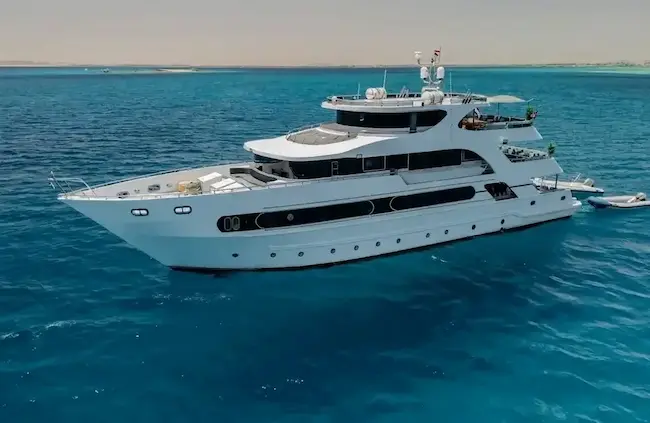
The reef is far beyond the reach of day boats and can only be reached by liveaboard. Trips typically depart from Port Ghalib, near Marsa Alam, and the sail down to the St John’s area takes many hours — some operators cite around eleven hours of cruising to reach this part of the system.
Flying In
Most divers fly into Marsa Alam International Airport to join a vessel at Port Ghalib, though flight frequency from some countries is limited. Alternatives include connecting through Cairo, or flying into Hurghada and transferring roughly three hours by road to the port.
Diving Habili Ali: Topography and the Dive Experience
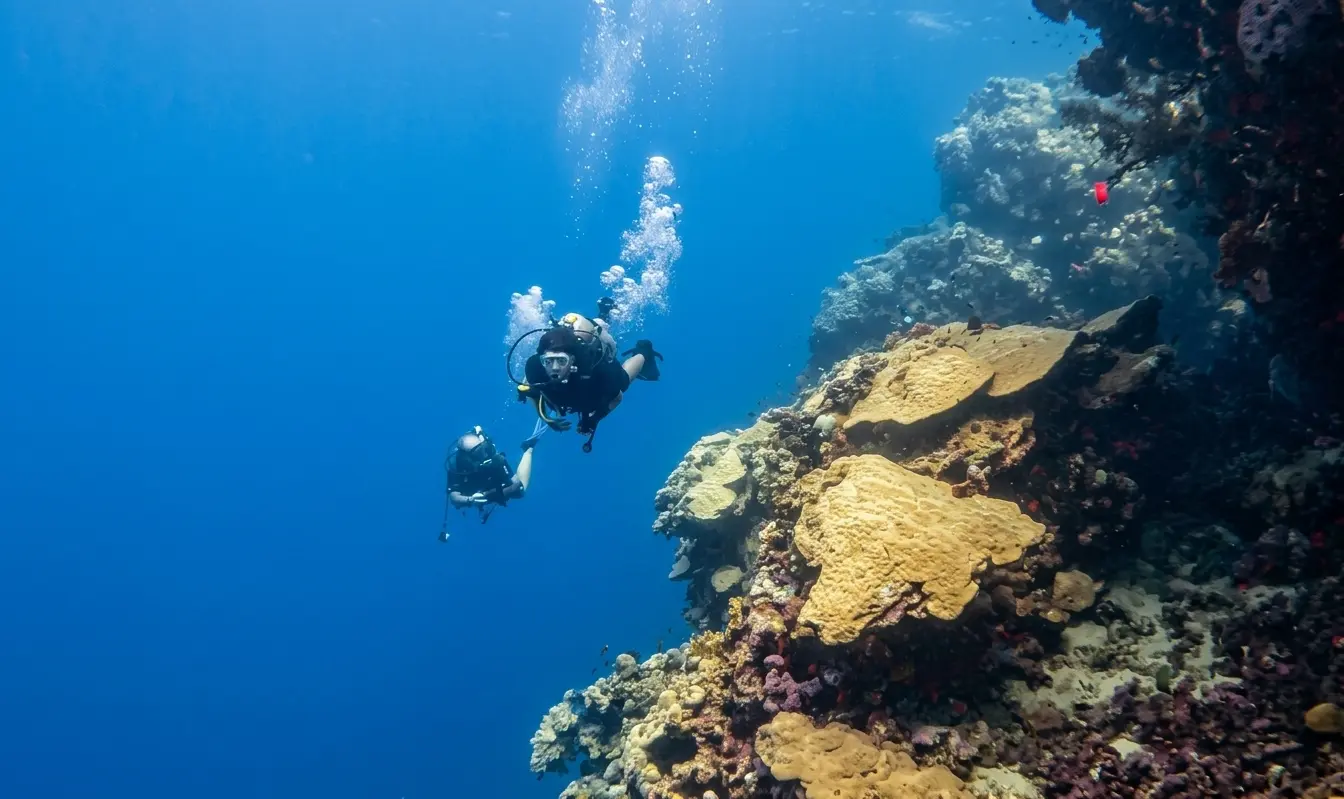
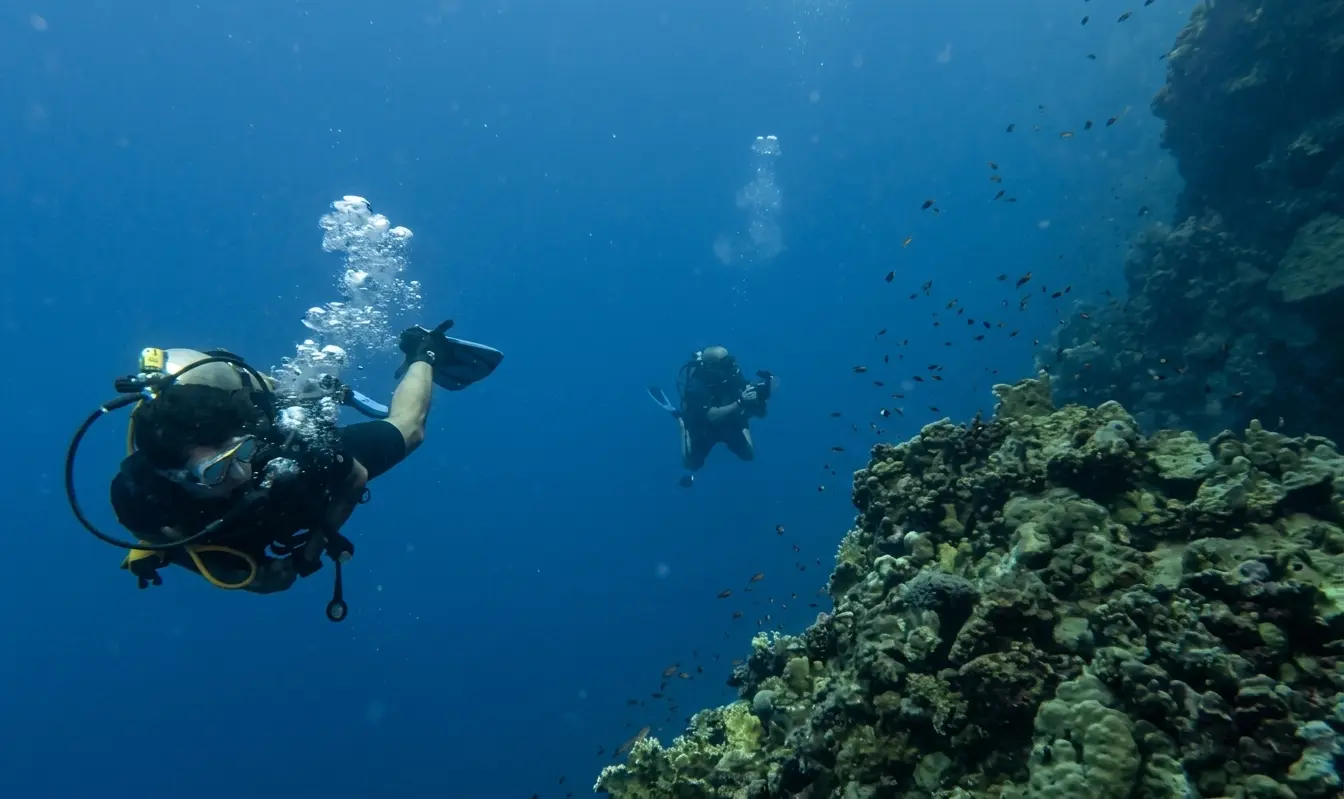
Diving Habili Ali is a genuine open-water, blue-water experience. You drop onto a reef that plunges on every side toward a seabed only reached at around 200 metres, so the sense of scale is immediate and humbling. The dive is typically run as a drift, letting the current carry you along the walls while you scan the blue for pelagics and the reef for detail.
The Reef Walls
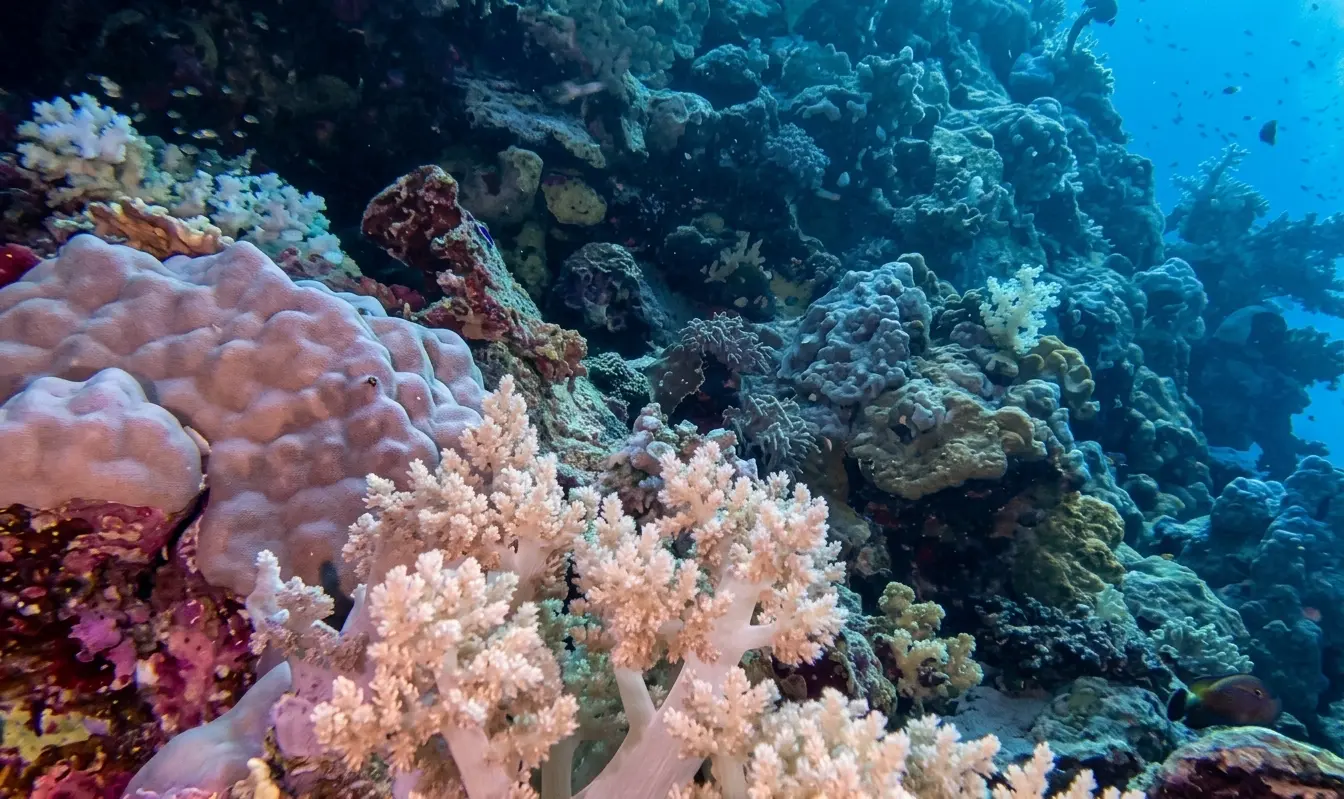
The walls of Habili Ali are magnificently covered in coral and drop steeply into the depths. This vertical relief, combined with the constant current, is what makes the site both spectacular and demanding. Divers work the wall according to the day’s flow, using the reef’s contours for shelter when needed.
The Gorgonian Sea Fans
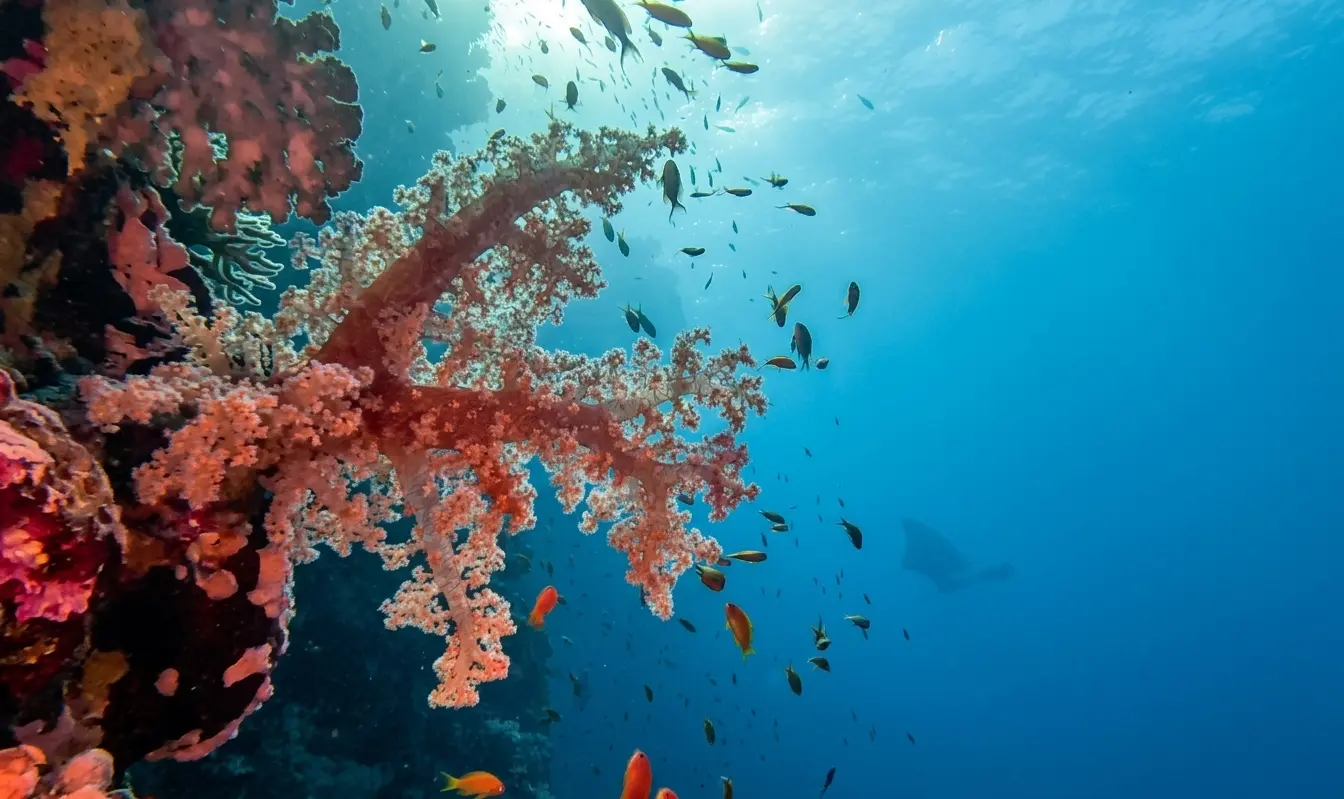
From around 40 metres downward, clusters of enormous gorgonian sea fans grow at regular intervals along the reef, some reaching several metres across. They thrive precisely because the strong current delivers a rich, constant supply of food. These fans are a signature feature of the deeper reef, though they sit at depths that demand conservative planning and appropriate training.
Overhangs and the Eastern Side
Near the eastern side, small overhangs line the reef wall at around 13 metres, offering structure, shade, and shelter for reef life. These features make good focal points for a dive and give photographers foreground interest against the blue.
The Shallow Reef Flat
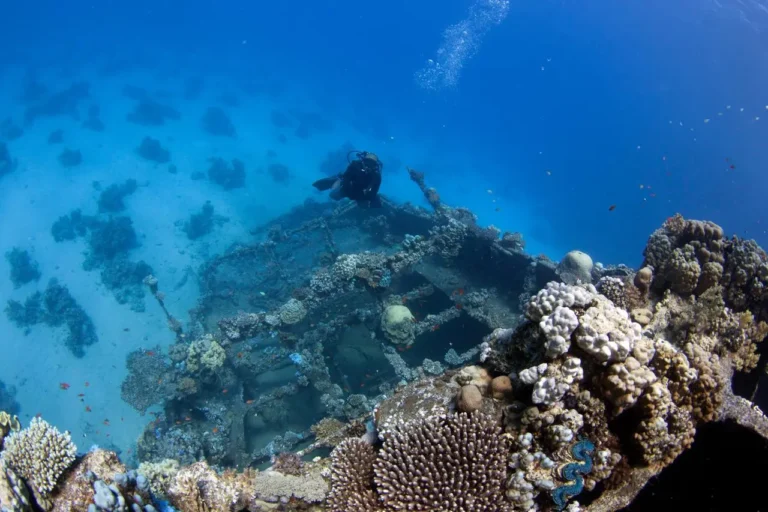
In places the reef flat begins at about 10 metres and is abundantly carpeted with hard corals. This shallower shelf is where the light is best and where the gentle surge pushes divers softly over the coral scenery — an ideal zone for wide-angle photography in the sunlight and a welcome, calmer finish to an otherwise high-energy dive.
Marine Life at Habili Ali
The reason experienced divers rave about Habili Ali is the marine life, and specifically the reliable combination of dense reef fish and genuine big-animal potential that the current sustains.
Sharks and Pelagics
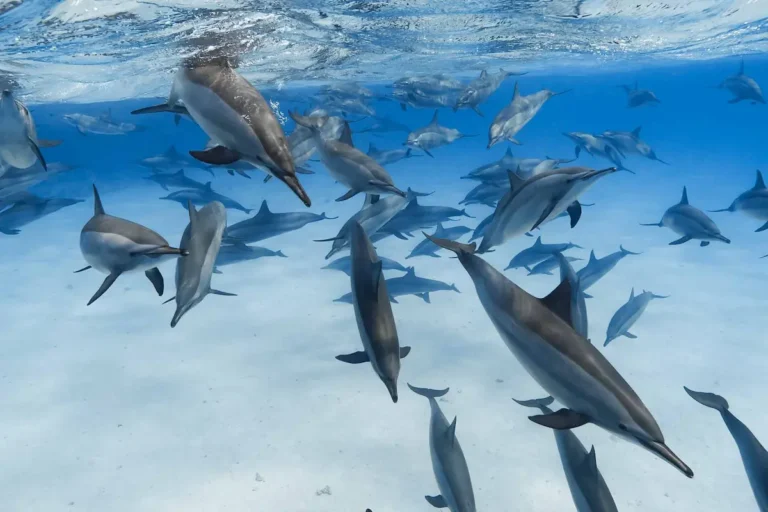
This is shark country. The exposed, current-fed reef draws grey reef sharks and hammerhead sharks, with silky sharks and oceanic whitetips also possible in the wider St John’s region. Even manta rays are a genuine possibility here. Giant trevallies and barracuda round out the roster of large predators that hunt in the flow.
Schooling Reef Fish
The reef itself teems with life. Expect thick clouds of anthias shimmering over the coral, along with surgeonfish, triggerfish, unicornfish, fusiliers, and snappers moving in schools across the walls. This constant fish activity is a direct result of the nutrient-rich current, and it is what fuels the predatory action.
Macro and Reef Detail
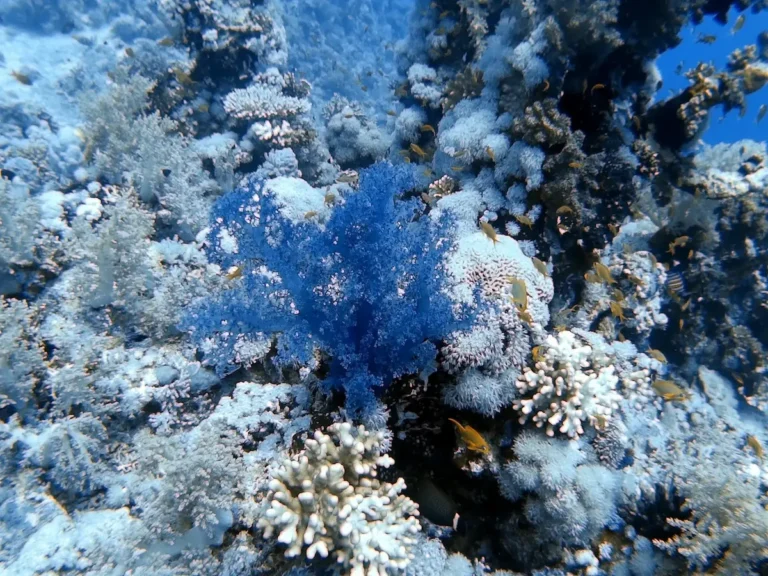
While Habili Ali is famous for the big stuff, the coral formations and crevices also shelter smaller treasures for divers who slow down — nudibranchs, shrimps, and crabs tucked into the reef. The dense hard and soft coral cover, colourful sea fans, and sponges make even the small-scale scenery rewarding.
Seasonal Highlights
- Hammerhead sharks: Most likely in the warmer months, broadly late spring through summer.
- Grey reef sharks: A reliable presence on the walls across the season.
- Oceanic whitetips: More associated with the cooler months in the southern reefs.
- Manta rays: An occasional and always memorable bonus.
- Schooling reef fish and healthy coral: Spectacular throughout the diving season.
Conditions, Currents, and Safety at Habili Ali
No honest guide to Habili Ali can gloss over the conditions. The same forces that make the reef so alive also make it one of the more serious dives in Egypt, and respecting them is non-negotiable.
The Currents
Current at Habili Ali is generally strong, and it can be unpredictable as it wraps around an exposed pinnacle. It is the engine of the ecosystem — driving the coral growth and drawing the big fish — but it demands solid drift-diving skills, good air management, and constant awareness of your position relative to the reef and your group.
Weather and Sea State
Because the reef sits just below the surface with little to break the wind and waves, it offers minimal protection and can only be approached safely in calm weather. Sea state, not just diver preference, determines whether the site is dived on a given day, and cruise directors will adjust the itinerary accordingly.
Is Habili Ali Suitable for Beginners?
No. Between its currents, exposure to waves, and depth, Habili Ali is explicitly not suitable for new divers. It is an advanced site best undertaken by divers with strong drift experience and a healthy logbook. Most southern liveaboards recommend Advanced certification and a substantial number of logged dives as a baseline.
The Remoteness Factor
Habili Ali is roughly 44 kilometres offshore in one of the most remote diving regions in Egypt, and the nearest recompression facilities are many hours away by boat. That single reality should shape every decision you make here — dive conservatively, respect depth and no-decompression limits, consider nitrox, and treat safety margins as sacred.
Practical Safety Tips
- Carry and know how to deploy a surface marker buoy for drift pickups in open water.
- Listen carefully to the dive briefing and plan entry timing around the current.
- Stay close to your guide and buddy; the blue can disorient quickly.
- Monitor air and depth continuously, since the sea fans tempt divers deep.
- Favour early-morning dives, when the site is at its best for big-animal action.
Best Time to Dive Habili Ali
Habili Ali is a highlight of the southern liveaboard season, which broadly runs when the weather is settled enough to reach these exposed offshore reefs.
Spring and Autumn
The shoulder seasons of spring and autumn generally deliver the best balance of manageable weather, comfortable water, and strong marine-life activity, making them the classic windows for St John’s safaris. Calmer seas also increase the odds that exposed sites like Habili Ali stay on the itinerary.
Summer for Hammerheads
Divers specifically chasing hammerhead sharks often target the warmer months, when these schooling predators are most likely along the current-swept walls. The trade-off can be heat on the surface and busier boats.
Why Early Morning Matters
Habili Ali is renowned as an early-morning dive. Liveaboards moor along the sheltered southern side overnight, and the first dives of the day tend to offer the calmest conditions and the best big-animal encounters before the site gets busy underwater.
Habili Ali vs Other St John’s Dive Sites
Habili Ali is rarely dived alone — it forms one act in a varied southern itinerary. Knowing how it compares helps you appreciate where it fits.
| Dive Site | Character | Current | Best For |
|---|---|---|---|
| Habili Ali | Exposed offshore pinnacle | Strong | Sharks, drift diving, big animals |
| Habili Gaffar | Similar submerged pinnacle | Strong | Sharks and pelagics |
| Umm Arouk | Coral towers on sand | Light to moderate | Coral, macro, night dives |
| Gota Kebira | Large reef with caves | Variable | Sunlit caverns, easier diving |
Habili Ali and Habili Gaffar
Its near-twin, Habili Gaffar, lies to the west and offers a very similar profile — a submerged pinnacle, strong current, and reliable shark action. Many itineraries pair the two, and divers often debate which delivers the better encounters on the day.
The Gentler Alternatives
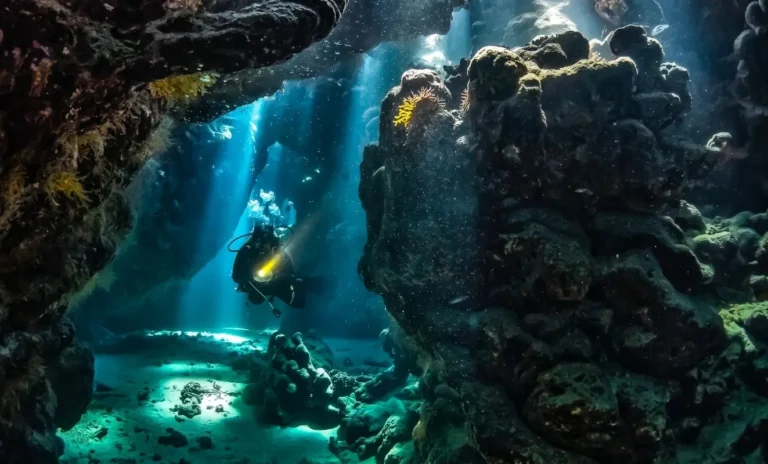
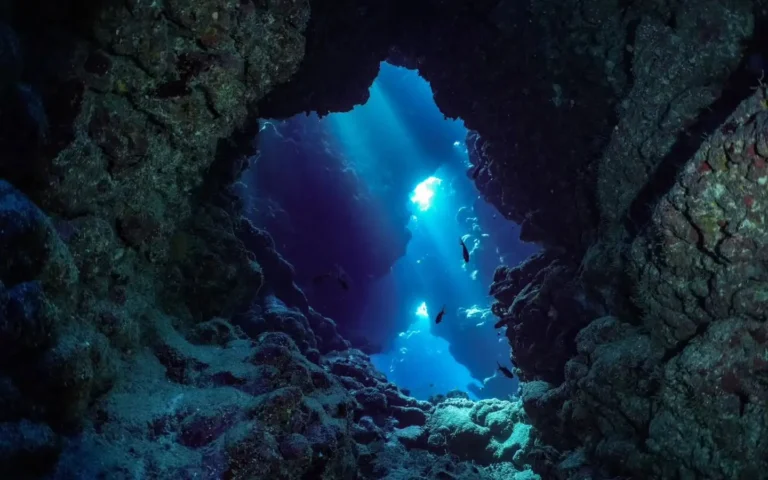
When conditions close out Habili Ali, or when a group wants a calmer day, sheltered sites like Umm Arouk and the cavern system at Gota Kebira provide the contrast — coral gardens, macro subjects, and those famous shafts of light through the reef. Together they make St John’s a remarkably complete destination.
Planning Your Habili Ali Liveaboard Trip
Recommended Experience Level
Arrive with solid drift-diving experience, Advanced certification, and a good number of logged dives. Refreshing your buoyancy and taking a nitrox course before you travel both extend your options and add a conservative margin in this remote region.
What to Pack
- A surface marker buoy and reel, plus an audible or visual signalling device for open-water pickups
- A reef hook where permitted, to hold position in current without touching coral
- A dependable dive computer, ideally with a backup
- A wide-angle camera setup for the walls, sea fans, and passing sharks
- Appropriate exposure protection for water that varies through the season
Responsible Diving
The pristine condition of Habili Ali is exactly why it is worth crossing an ocean of open water to reach — and keeping it that way is every diver’s responsibility. Maintain impeccable buoyancy in the current, never touch or brace on the coral and sea fans, secure all equipment, and follow your operator’s environmental and marine-park briefings to the letter.
Why Habili Ali Belongs on Your Diving Bucket List
Habili Ali distils everything that makes the southern Red Sea legendary: raw, current-charged walls plunging into the blue, gardens of giant gorgonians, clouds of reef fish, and the electric possibility of sharks materialising out of the current at any moment. It is a demanding, exposed, advanced dive — and that is exactly the point. The effort of reaching it and the skill it asks of you are what make the payoff so unforgettable.
Plan it as part of a St John’s liveaboard, arrive with the right experience and a conservative, safety-first mindset, dive it in the calm of early morning, and treat the reef with the respect it commands. Do that, and Habili Ali will reward you with one of the most exhilarating dives Egypt has to offer — a true frontier reef at the very edge of the Egyptian Red Sea.
Frequently Asked Questions
Where is Habili Ali located?
Habili Ali is the easternmost reef of St John’s in the far south of the Egyptian Red Sea, near the Sudanese border. It lies roughly 44 kilometres offshore, about 12.5 kilometres east of Umm Arouk and 32 kilometres southwest of Zabargad Island, and is reachable only by liveaboard.
What does “Habili” mean?
A habili is a reef that rises from the depths but stops just below the surface without breaking it. Because it stays submerged, Habili Ali offers little protection from wind and waves and can only be dived safely in calm conditions.
Is Habili Ali suitable for beginners?
No. Its strong currents, exposure to waves, and depth make it an advanced dive that is not appropriate for new divers. Solid drift-diving experience, Advanced certification, and a good logbook are strongly recommended.
What sharks can you see at Habili Ali?
The reef is known for grey reef sharks and hammerheads, with silky sharks, oceanic whitetips, and even manta rays possible across the wider St John’s area. The strong current is what draws these big animals to the site.
How deep is Habili Ali?
The reef flat starts at around 10 metres in places, while the walls drop steeply toward a seabed reached only at about 200 metres. Giant sea fans grow from roughly 40 metres down, so depth discipline and conservative planning are essential.
How do you get to Habili Ali?
Access is by liveaboard only, as the reef is far offshore in the deep south. Trips generally depart from Port Ghalib near Marsa Alam, with the cruise to this part of St John’s taking many hours.
When is the best time to dive Habili Ali?
Spring and autumn offer the best balance of settled weather and marine life, while the warmer months are favoured for hammerhead encounters. Early-morning dives are prized for the calmest conditions and the best big-animal action.
Why is the current so strong at Habili Ali?
Because the reef is an exposed pinnacle at the boundary of the open sea, it catches the full force of the Red Sea’s currents. That flow feeds lush coral growth and giant sea fans and attracts the large predators the site is famous for.