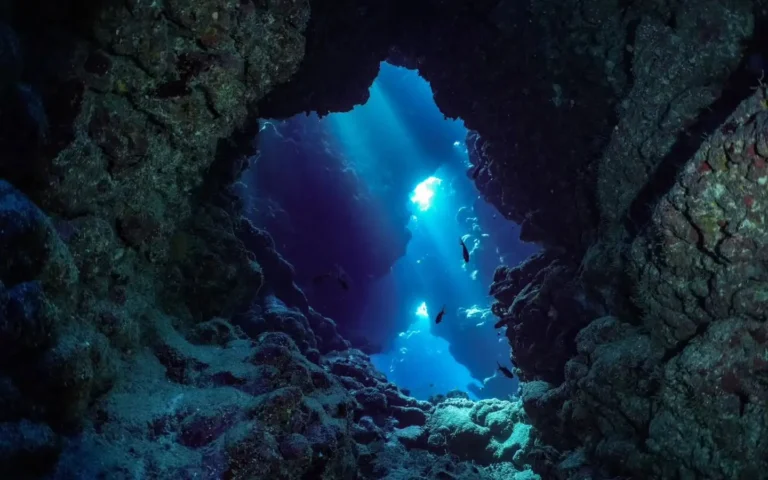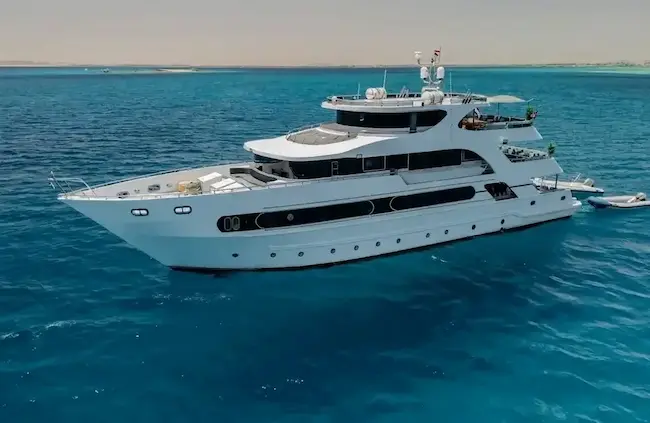
Tucked into the southernmost tip of the Egyptian Red Sea, just a fin-kick from the Sudanese border, St John’s Cave is the dive that photographers dream about and every liveaboard guest hopes the itinerary includes. It is not a single dark tunnel but a shallow labyrinth of coral cracks, chambers, and swim-throughs where shafts of sunlight pour down through the reef and turn the water into a cathedral of blue light. For divers who have already ticked off the northern wrecks and the Brothers, this is the reef that redefines what Red Sea diving can be.
What makes St John’s Cave so special is the combination of accessibility and drama. Much of the cavern system sits in the top ten metres of water, so it is bathed in light and never feels like a claustrophobic technical dive. Yet the maze of tunnels, the beams cutting through the cracks, and the surrounding walls patrolled by grey reef sharks give it an intensity that belies its gentle depths. It is the kind of site that works for a confident recreational diver and still leaves seasoned veterans grinning around their regulators.
This guide covers everything you need before you drop in: exactly where St John’s Cave sits, how the tunnel system is laid out, the marine life you will meet inside and outside the caverns, how to photograph the famous light beams, the best season to visit, and the very real safety considerations of diving one of the most remote reefs in Egypt. Whether you are planning your first southern liveaboard or refining a return trip, you will finish knowing how to dive it well.
What Is St John’s Cave?
St John’s Cave is the signature cavern-and-tunnel dive site within St John’s Reef, the sprawling reef complex that marks the southern frontier of Egyptian Red Sea diving. Rather than one enclosed cave, the site is best understood as an interconnected network of cracks, arches, and light-filled chambers carved into the shallow reef top. Sunlight streaming through openings in the coral is the defining feature, and it is why the site has earned its reputation as a photographer’s paradise.
The Southern Red Sea Setting
The reefs here lie in the far south of Egypt’s Red Sea, a region that only opened up to diving safaris in the mid-1990s as boats pushed ever further from the crowded northern hubs. Because St John’s is beyond the reach of day boats, it remains pristine, and the caves are part of the reward for the long journey south. The water is famously clear, the corals among the healthiest in the country, and the atmosphere a world away from the resort strips of Hurghada and Sharm.
Cave, Cavern, or Tunnel? Understanding the Terminology
It is worth clarifying the terminology, because it affects how you plan the dive. True cave diving means fully enclosed overhead environments requiring technical training. St John’s Cave, by contrast, is overwhelmingly cavern and tunnel diving: the passages are short, daylight is almost always visible, and exits are frequent. This is exactly why the site suits a broad range of divers, though the overhead sections still demand respect and good buoyancy.
St John’s Cave at a Glance
| Attribute | Detail |
|---|---|
| Location | St John’s Reef, southern Egyptian Red Sea, near the Sudan border |
| Site type | Shallow cavern, tunnel and swim-through system |
| Access | Liveaboard only (no day boats) |
| Depth range | Approx. 5–12 m in the caverns; reef to 40 m+ |
| Difficulty | Intermediate; good buoyancy essential |
| Visibility | 15–35 m+ |
| Water temperature | 23–29°C |
| Best season | March–May and September–November |
| Signature feature | Sunlight beams through cracks in the reef |
Where Is St John’s Cave Located?
St John’s Cave sits within St John’s Reef, the southernmost dive area in the Egyptian Red Sea. The reef system stretches roughly 29 kilometres from east to west and about 10 kilometres north to south, made up of around ten separate bank reefs. It lies near the border with Sudan, technically within the wider Foul Bay area, and is one of the marquee stops on any deep-south liveaboard route.
St John’s Reef and Foul Bay
The broader Foul Bay region extends from south of Ras Banas all the way to the Sudanese border, and its standout attraction is precisely this maze of tunnels where sunlight pierces the reef. St John’s itself offers a remarkable variety of dive environments in a compact area — steep shark-patrolled walls, coral-smothered gardens, sandy-bottomed reefs perfect for night dives, and, of course, the caverns.
Which Reef Holds the Caves?
The cavern system most divers mean when they say St John’s Cave is associated with Gota Kebira, one of the larger reefs in the complex, along with neighbouring shallow reef tops riddled with cracks. These reefs feature the sandy-floored chambers and coral-framed openings that create the site’s trademark light show. Your cruise director will choose the exact entry based on conditions on the day.
Getting There by Liveaboard
Via Port Ghalib and Marsa Alam
The primary gateway is Port Ghalib, just north of Marsa Alam, from where most southern liveaboards depart. You can fly directly into Marsa Alam International Airport, though schedules from some countries are limited, or route through Cairo with a domestic connection. From Port Ghalib it is typically a full day or more of sailing south to reach St John’s.
Via Hurghada
Divers flying into Hurghada can make the roughly three-hour road transfer south to Port Ghalib to join their vessel. Most operators arrange airport transfers as part of the package, so the logistics are usually seamless once your liveaboard is booked.
Diving St John’s Cave: What to Expect Underwater
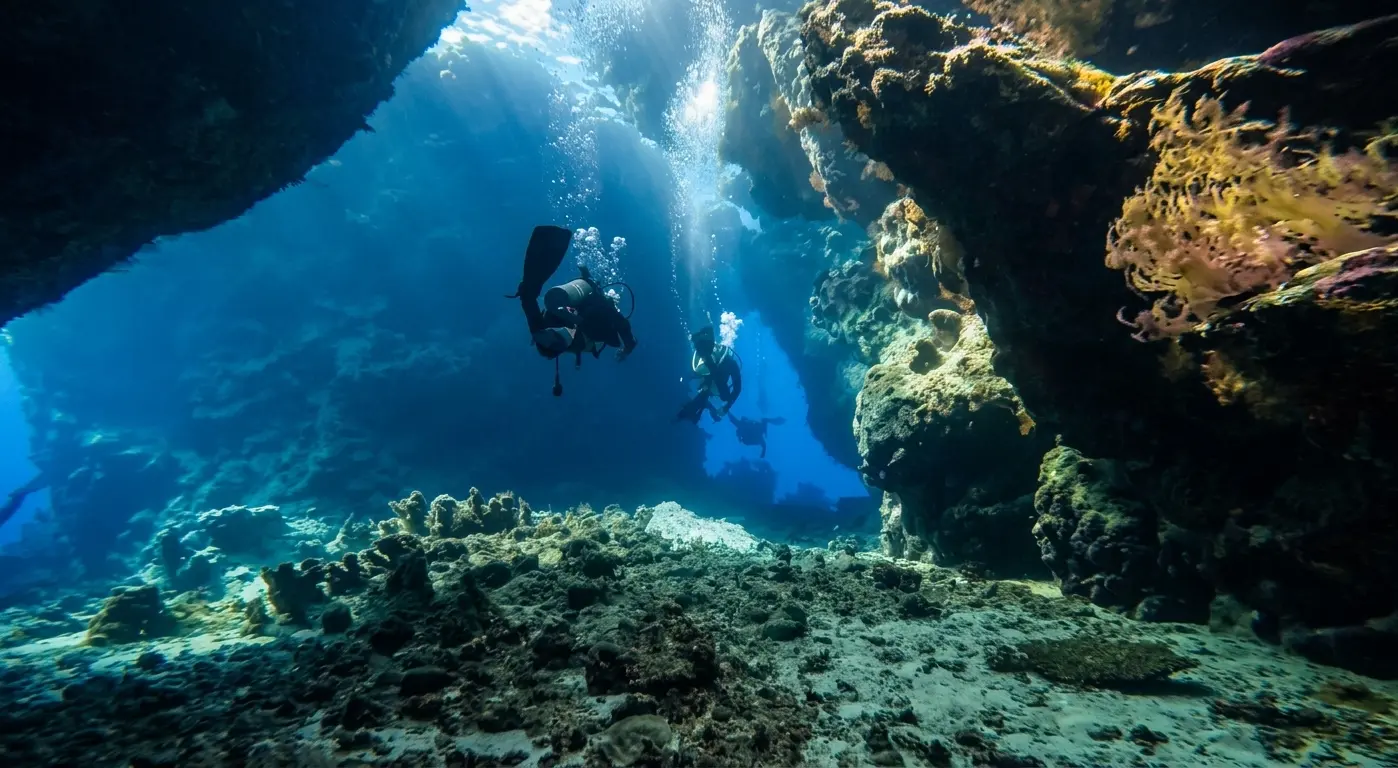
Dropping into St John’s Cave is a genuinely cinematic experience. You descend onto a shallow, sun-drenched reef top and then thread into a series of coral passages where the ambient blue is repeatedly cut by hard shafts of white light. The contrast between the shadowed tunnels and the blazing beams is what stays with divers long after the trip ends.
The Cathedral of Light
The heart of the experience is the light. As you move through the chambers, cracks overhead channel the sun into defined beams that sweep across the sand and catch suspended particles, giving the water a tangible, almost solid quality. Positioning yourself so a fellow diver is silhouetted in a beam produces the images this site is famous for, which is exactly why St John’s Cave is described again and again as a photographer’s dream.
Depth and Layout
Most of the cavern network sits comfortably within recreational limits, largely in the top ten to twelve metres, with the surrounding reef dropping deeper for those who want it. This shallow profile means long bottom times, generous no-decompression margins, and plenty of natural light — a rare and welcome combination in an overhead-style environment.
Entry and Exit Points
The passages are short and interconnected, with frequent openings to open water. A good guide leads a logical route through the system so you are rarely more than a few metres from an exit or a burst of daylight. Follow the briefing, stay with your group, and keep visual contact with the nearest opening.
Buoyancy and Silt Management
The sandy floors that make the chambers so photogenic are also easily disturbed. A careless fin kick can cloud a passage in seconds, ruining visibility for everyone behind you. Master neutral buoyancy and a controlled frog kick before you enter, keep gauges and alternate air source clipped, and never touch the walls or floor.
The Marine Life of St John’s Cave and Reef
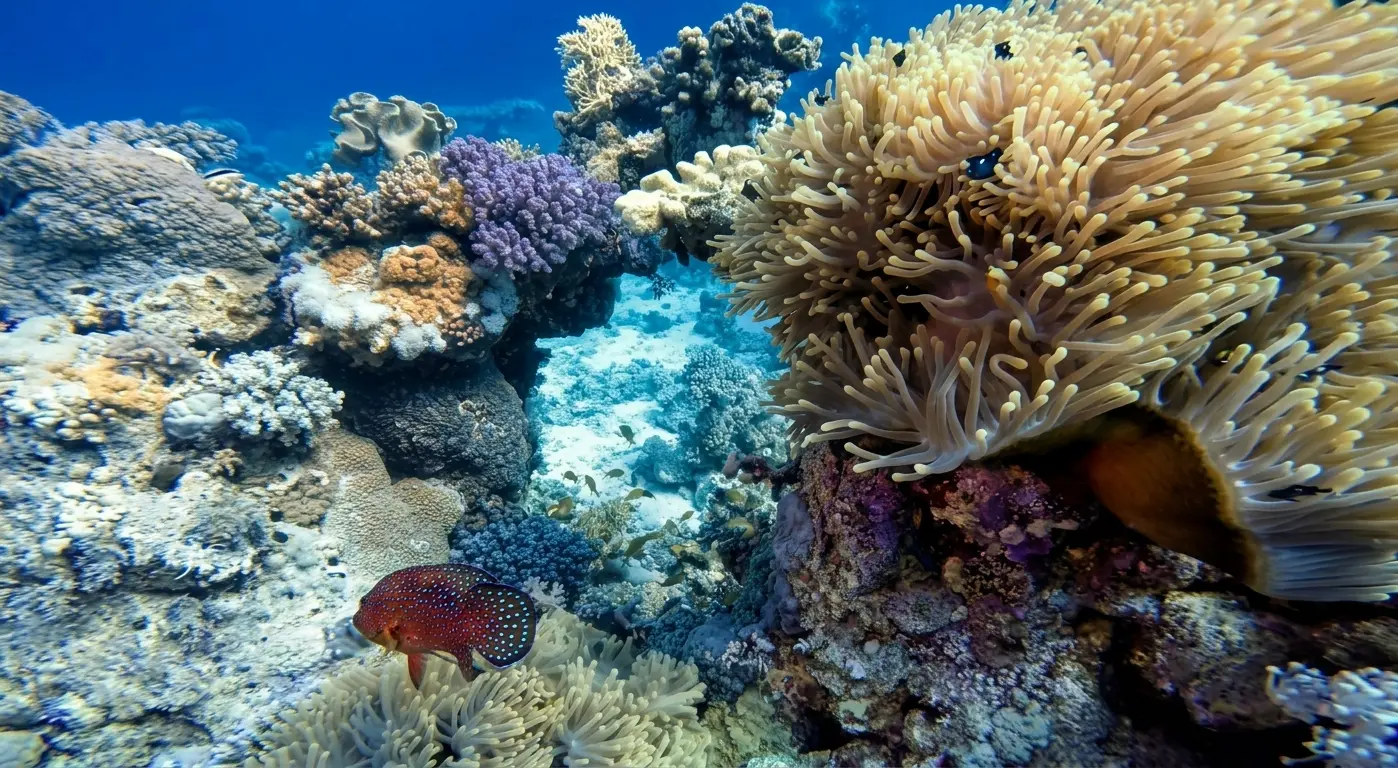
St John’s Cave is not only about geology and light — the reef around it teems with life, and the caverns themselves shelter their own communities. This blend of hard-coral health, resident reef fish, and cruising pelagics is what elevates the site from a novelty to a world-class dive.
Inside the Caverns
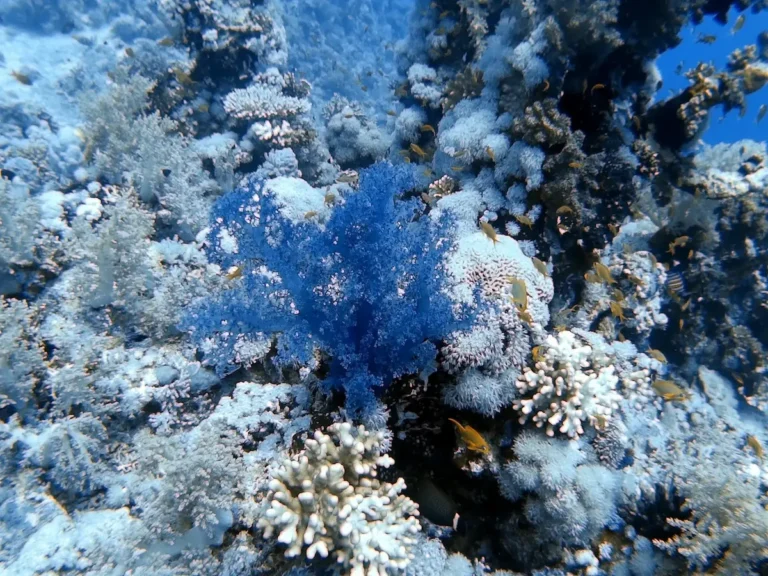
Within the shaded passages you will often find clouds of glassfish shimmering in the light beams, along with sweepers, cardinalfish, and the occasional moray eel wedged into a crevice. Soft corals and colourful sponges cling to the tunnel walls where light still reaches, and the interplay of fish and beams gives photographers endless subjects.
On the Reef and Walls
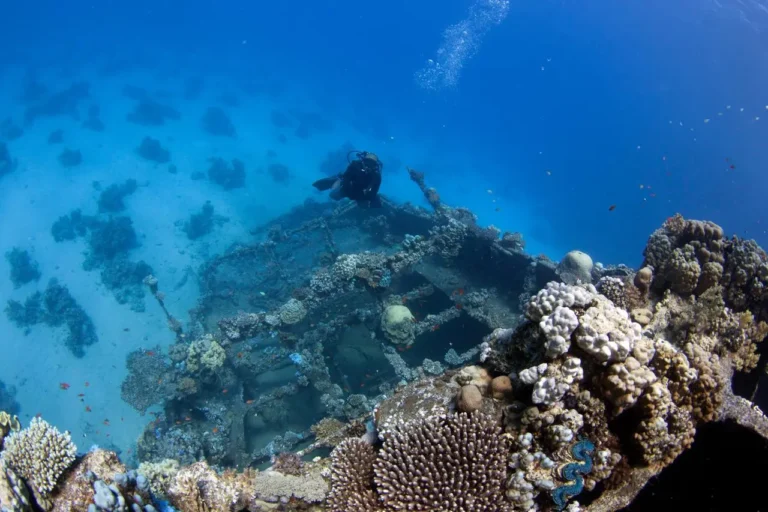
Emerging from the caverns, you meet the classic southern Red Sea reef community: Napoleon wrasse, barracuda, snapper, groupers, and dense schools of anthias hovering over immaculate hard corals. The surrounding reefs of St John’s are considered among the healthiest in Egypt, so the coral itself is a highlight.
Sharks and Pelagics
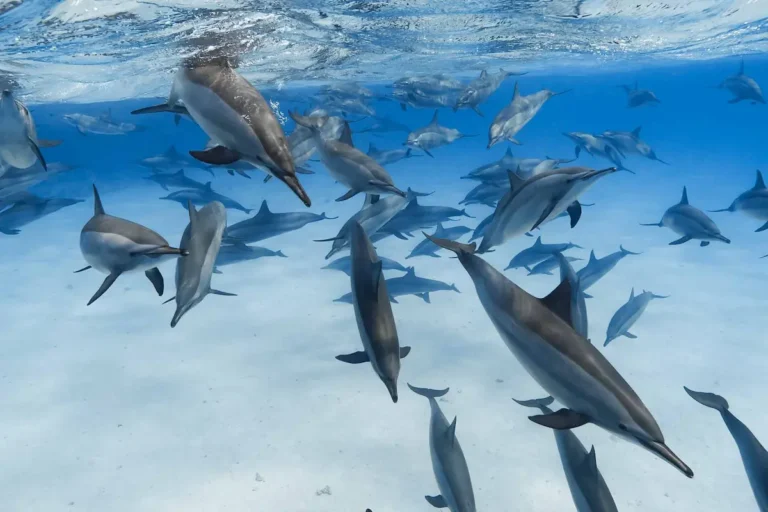
The steeper walls near the caves — and neighbouring sites like Habili Ali and Habili Gaffar — are known for grey reef sharks and oceanic whitetips, with hammerheads possible in the warmer months. Dolphins are a year-round possibility across the region, and the crystal-clear water makes every encounter more thrilling.
Seasonal Marine Life Calendar
- Hammerhead sharks: Most likely from May to August.
- Oceanic whitetip sharks: Peak sightings from October to March.
- Grey reef sharks: Present year round on the walls.
- Dolphins and schooling reef fish: Year round.
- Healthy hard and soft corals: Spectacular in every season.
Underwater Photography at St John’s Cave
If there is one site in Egypt built for the camera, it is this one. The reason St John’s Cave headlines so many portfolios is the reliability and quality of its light, combined with subjects that pose perfectly within it.
Capturing the Light Beams
The classic shot places a diver or a school of glassfish inside a beam, shooting from the shadows toward the light source. Expose for the highlights so the beam retains definition rather than blowing out, and let the surrounding tunnel fall into rich shadow for contrast. Wide-angle lenses are essential to capture the scale of the chambers.
Gear and Settings Tips
- Use a wide-angle or fisheye lens to fit the cavern and its beams into the frame.
- Shoot toward the light and meter for the brightest part of the beam.
- Turn strobes down or off for silhouettes; use gentle fill light for foreground coral.
- Raise your ISO to keep shutter speeds workable in the shaded passages.
- Position a model diver deliberately within the beam for scale and drama.
Best Time of Day
The light show peaks when the sun is high, roughly late morning to early afternoon, when the beams strike most vertically through the reef cracks. Coordinate with your guide so your dive is timed for the strongest sun angle if photography is your priority.

Best Time to Dive St John’s Cave
Timing shapes both comfort and conditions in the far south. The consensus points to two shoulder windows that balance weather, water temperature, and crowds.
Spring: March to May
Spring offers an excellent balance of settled weather and warming water, which is why it is peak season for southern liveaboards. Visibility is superb and the light in the caverns is at its best. The trade-off is popularity: the best moorings can be busy and prices tend to rise.
Autumn: September to November
The autumn window delivers comfortably warm water, generally calmer conditions than mid-winter, and noticeably fewer boats. For many experienced divers this is the sweet spot for St John’s Cave, combining reliable light with a quieter reef.
Water Temperature and Exposure Protection
- Summer: Warmest water, up to around 29°C; a 3 mm wetsuit or shorty is usually enough.
- Shoulder seasons: A 5 mm wetsuit suits most divers doing repetitive dives.
- Winter: Water can fall toward 23°C; consider a 5–7 mm suit and a hood, and note that stronger winter winds can occasionally force liveaboards to reroute.
Safety and Difficulty at St John’s Cave
St John’s Cave rewards preparation. The diving itself is not extreme, but two factors — the overhead environment and the sheer remoteness of the region — mean safety planning matters more here than at most Egyptian sites.
Is St John’s Cave Suitable for Beginners?
The shallow, light-filled caverns are gentle enough that confident newer divers can enjoy them under good supervision, and the wider St John’s reefs offer sites suitable for a range of abilities. That said, most operators recommend Advanced certification and around 50 logged dives for a southern liveaboard, because currents on the surrounding walls can be challenging and the overhead sections demand composure.
Cavern Diving Risk Management
Treat the tunnels with the discipline of any overhead environment. Stay with your guide and buddy, keep an exit or daylight in sight, control your buoyancy meticulously to avoid stirring silt, and never push into a passage you cannot comfortably back out of. The frequent openings make this straightforward if you follow the briefing.
The Remoteness Factor
This is the point too many guides underplay: St John’s is extraordinarily remote. The nearest recompression chamber is at Hamata, and reaching it can take eight hours or more of sailing. That single fact should shape every dive you make here — dive conservatively, pad your safety margins, favour nitrox where appropriate, and avoid pushing depth or bottom time. An avoided incident is worth far more than any extra minute on the reef.
Diving With an Experienced Guide
Always dive St John’s Cave with a cruise director and guide who know the system intimately. They select the right entry for the day’s conditions, lead an efficient route through the tunnels, and manage the group’s exposure. Their local knowledge is the single biggest contributor to a safe, memorable dive here.
St John’s Cave vs Other St John’s Dive Sites
The caves are rarely dived in isolation — they form one highlight among many across the St John’s complex. Understanding how the site compares to its neighbours helps you appreciate a full southern itinerary.
| Dive Site | Character | Highlight | Best For |
|---|---|---|---|
| St John’s Cave | Shallow caverns & tunnels | Sunlight beams | Photography, cavern experience |
| Habili Ali | Steep offshore wall | Sharks & pelagics | Experienced drift divers |
| Habili Gaffar | Wall with strong current | Grey reef & oceanic whitetips | Big-fish enthusiasts |
| Umm Arouk | Coral towers & pinnacles | Macro & coral gardens | Relaxed reef dives, night dives |
Habili Ali and Habili Gaffar
These twin offshore pinnacles are the shark magnets of St John’s. Their steep walls and stronger currents draw grey reef sharks and oceanic whitetips, offering a high-octane contrast to the serene caverns.
Umm Arouk
Its name translates roughly to “mother of coral towers,” and the site lives up to it with a garden of pinnacles rising from a sandy floor. The shallow, sheltered layout makes it a favourite for macro photography and night diving — a gentle counterpoint to the caves.
Dangerous Reef
Despite the ominous name, Dangerous Reef is no riskier than its neighbours and offers lovely coral and reliable reef life, often serving as an alternative when the popular moorings are crowded.
Planning Your St John’s Cave Liveaboard Trip
Recommended Experience Level
Aim to arrive with Advanced Open Water certification and a solid logbook, ideally 50 dives or more. Refresh your buoyancy and consider a nitrox course before you travel, both to extend bottom time and to add a conservative margin in this remote region.
What to Pack
- A wide-angle camera setup to make the most of the light beams
- A dive computer, plus a backup, given the remoteness
- Appropriate exposure protection for your season (see above)
- A surface marker buoy and audible signalling device for the walls
- A primary dive light and backup for the shaded tunnels
Responsible and Sustainable Diving
The reason St John’s Cave is so magical is that it has stayed pristine — and keeping it that way depends on every diver. Perfect your buoyancy so you never contact the coral or stir the silt, take only photographs, secure all equipment, and follow your operator’s environmental briefings and any marine-park rules. Leaving the reef exactly as you found it is the price of admission to somewhere this special.
Why St John’s Cave Belongs on Your Diving Bucket List
St John’s Cave is the rare dive that delivers on every front at once: the surreal beauty of sunlight pouring through the reef, the biodiversity of some of Egypt’s healthiest corals, the thrill of sharks cruising the nearby walls, and the satisfaction of reaching one of the most remote and unspoilt corners of the Red Sea. Its shallow, light-filled caverns make it accessible to confident recreational divers, while its atmosphere and photographic potential keep even the most experienced coming back.
Plan it as part of a deep-south liveaboard, arrive with the right experience and a conservative mindset, dive it with a knowledgeable guide, and treat the reef with the care it deserves. Do that, and St John’s Cave will hand you not just a dive but one of the defining memories of your underwater life — a slow drift through a sunlit labyrinth at the very edge of the Egyptian Red Sea.
Frequently Asked Questions
Where is St John’s Cave located?
St John’s Cave is part of St John’s Reef, the southernmost dive area of the Egyptian Red Sea, near the border with Sudan. It lies within the wider Foul Bay region and is reached only by liveaboard, usually departing from Port Ghalib near Marsa Alam.
How deep is St John’s Cave?
The cavern and tunnel system is shallow, with most of it in the top ten to twelve metres, which is why it stays so bright. The surrounding reef and walls drop well beyond 40 metres for divers who want more depth.
Is St John’s Cave suitable for beginners?
The shallow, light-filled caverns are gentle, but the site is best rated intermediate. Most operators recommend Advanced certification and around 50 logged dives for a southern liveaboard, because the overhead sections and nearby currents require good buoyancy and composure.
Why is St John’s Cave famous for photography?
Sunlight streams through cracks in the shallow reef, creating dramatic beams that cut through the caverns. Silhouetting a diver or a school of glassfish within these shafts of light produces the images the site is renowned for.
When is the best time to dive St John’s Cave?
March to May and September to November offer the best balance of warm water, good visibility, and manageable conditions. High sun around midday produces the strongest light beams inside the caverns.
Is St John’s Cave true cave diving?
No. It is primarily cavern and tunnel diving, meaning the passages are short and daylight is almost always visible, with frequent exits. It does not require technical cave certification, but good buoyancy and respect for the overhead environment are essential.
What marine life can you see at St John’s Cave?
Inside the caverns expect glassfish, sweepers, and moray eels, while the surrounding reef hosts Napoleon wrasse, barracuda, and healthy corals. Nearby walls are known for grey reef sharks, oceanic whitetips, seasonal hammerheads, and dolphins.
How do you get to St John’s Cave?
Access is by liveaboard only, as the reef is beyond the reach of day boats. Most trips depart from Port Ghalib, reached by flying into Marsa Alam or transferring roughly three hours by road from Hurghada.